Sahawatthanakit (1988) Co., Ltd.
SAHAWATTHANAKIT(1988) · Make It Smart
กลับไปดูบทความทั้งหมด
Sahawatthanakit (1988) Engineering Team7 นาที

Forklift Battery Lead-Acid vs Lithium-Ion — TCO 10 ปี + การบำรุงรักษา

เปรียบเทียบ Forklift Battery Lead-Acid (Flooded + AGM) vs Lithium-Ion (LFP) — cycle life 1,500 vs 3,000, ราคา, opportunity charging, TCO 10 ปี, มาตรฐาน UL 2580 + EN 16796 สำหรับโกดังไทย

warehouseforkliftbatterylead-acidlithium-ionlfpul-2580
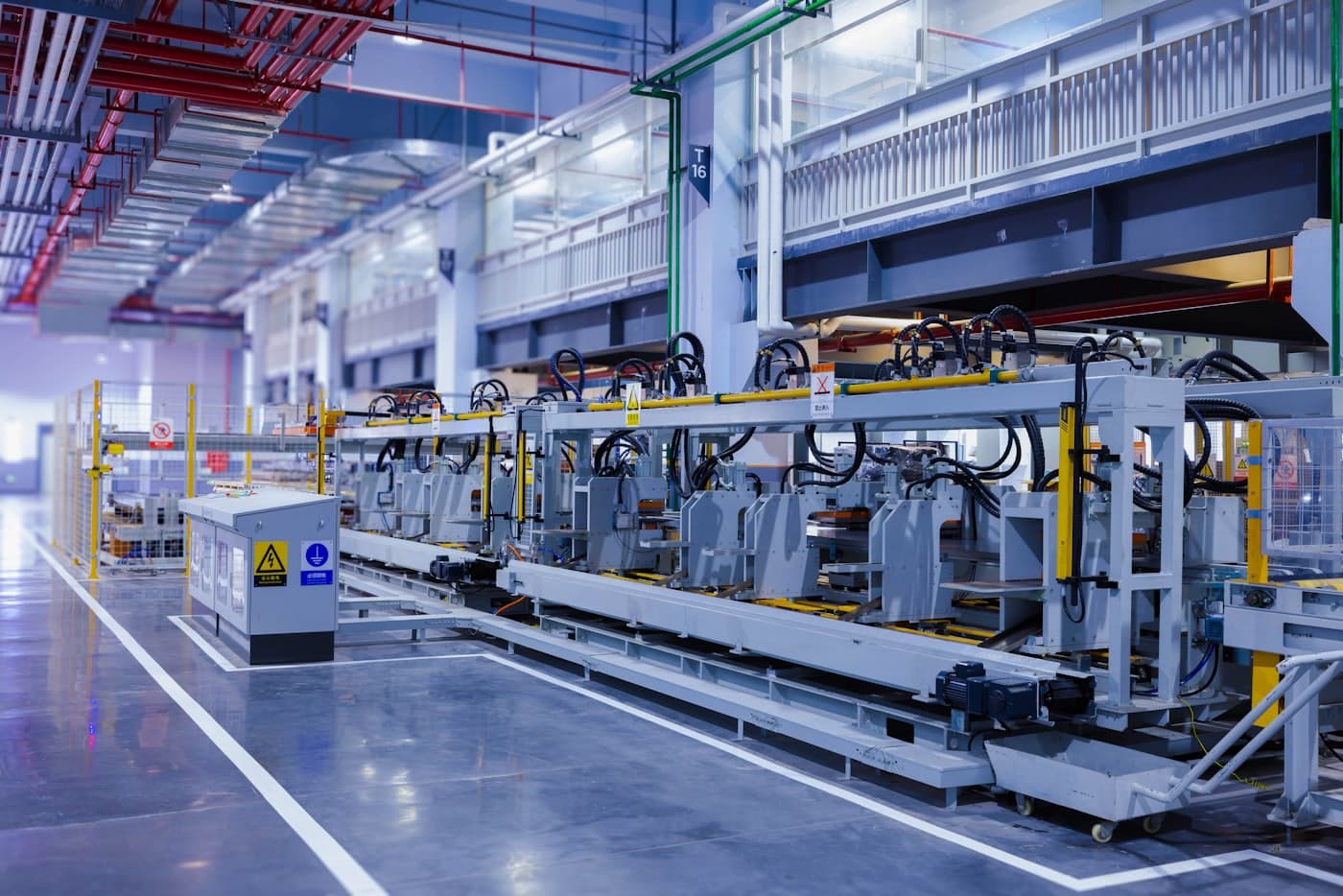
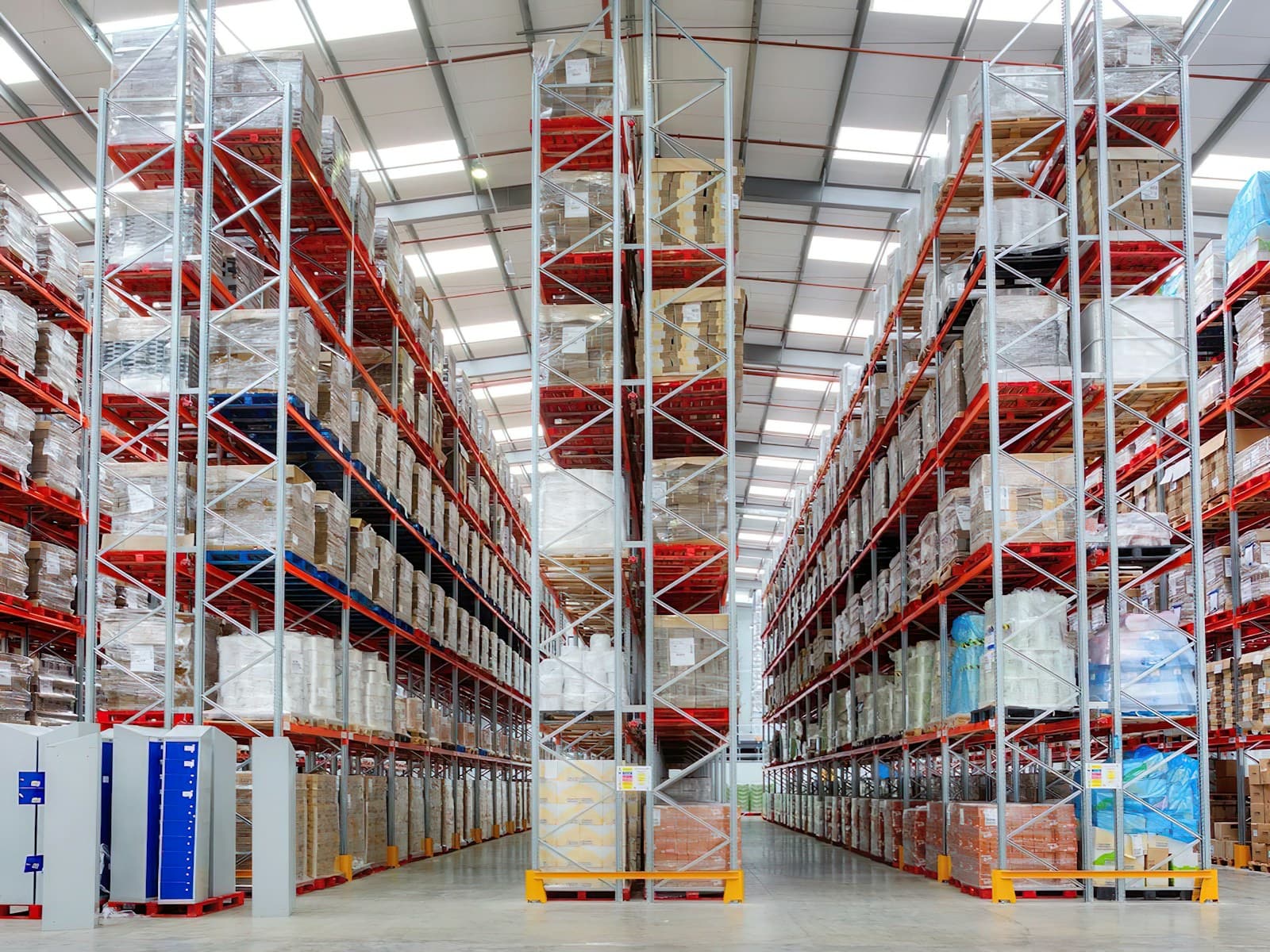
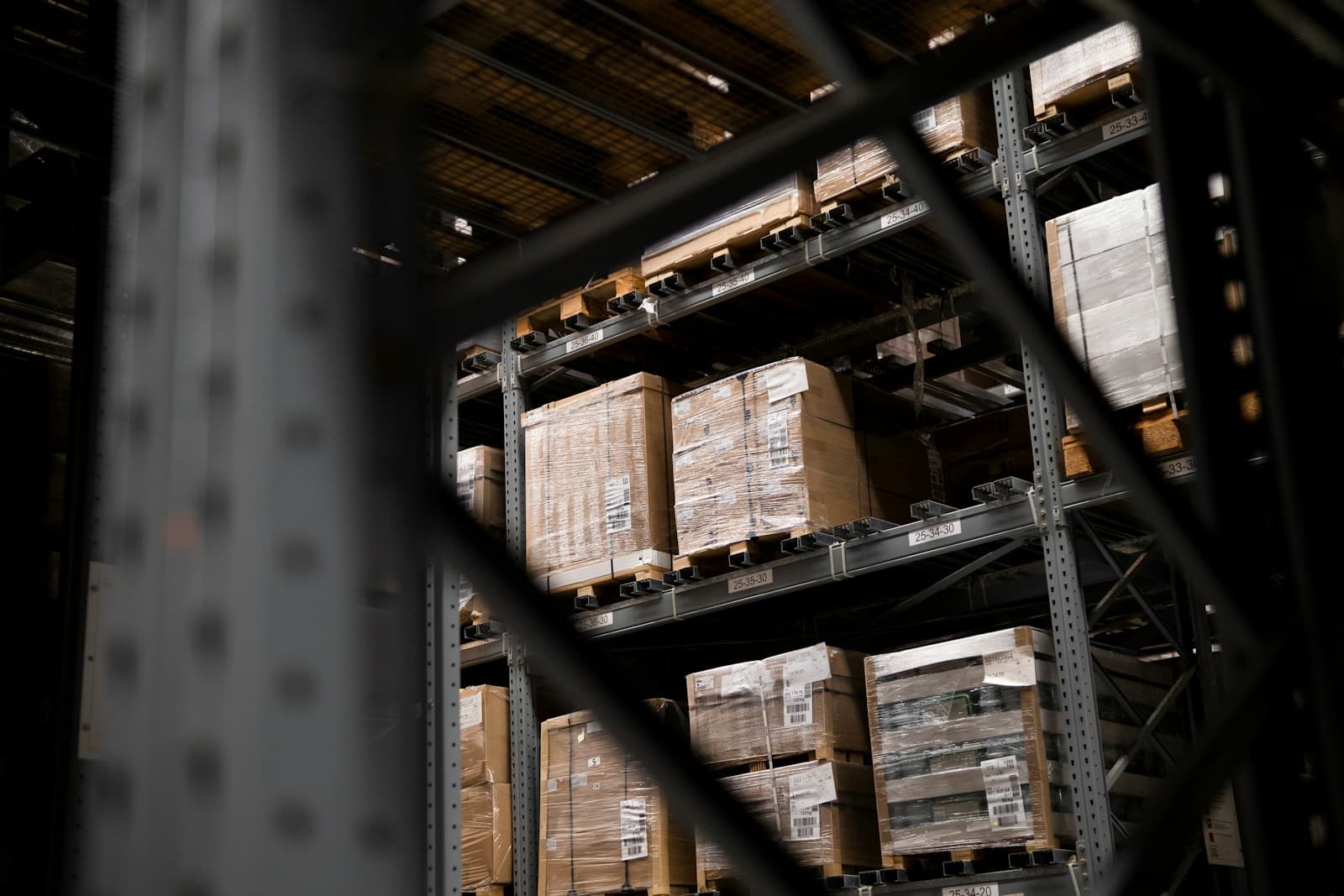
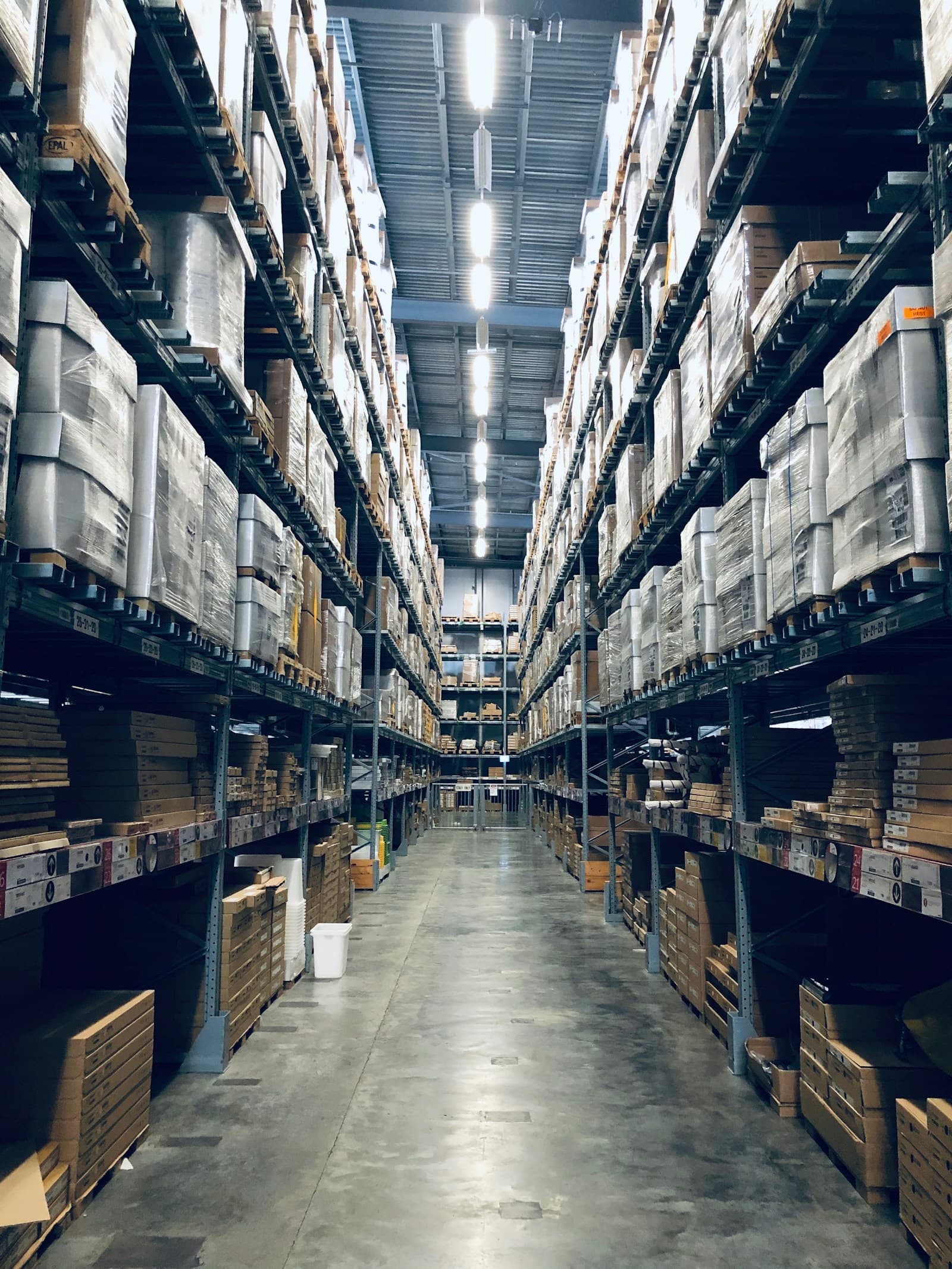
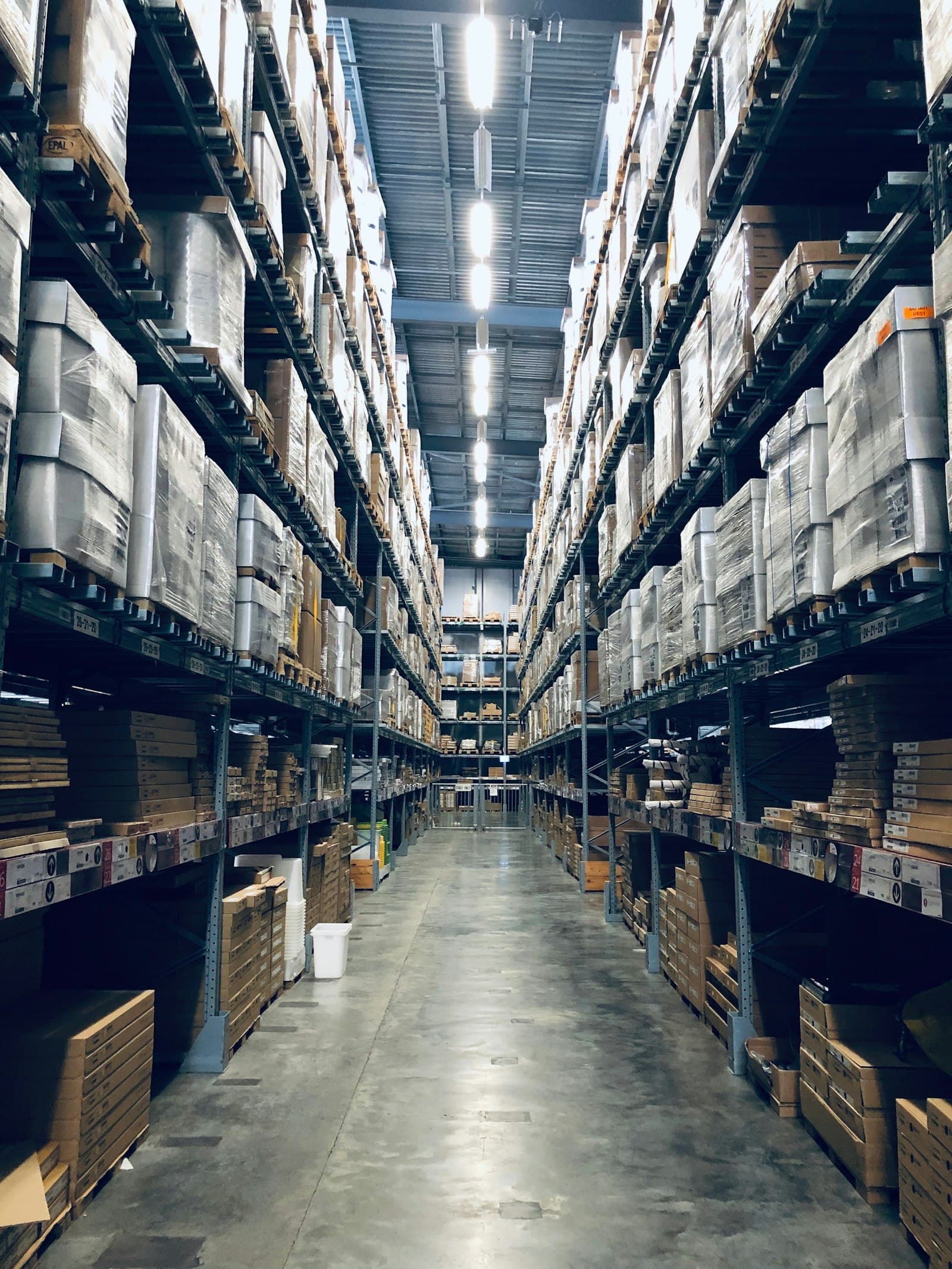
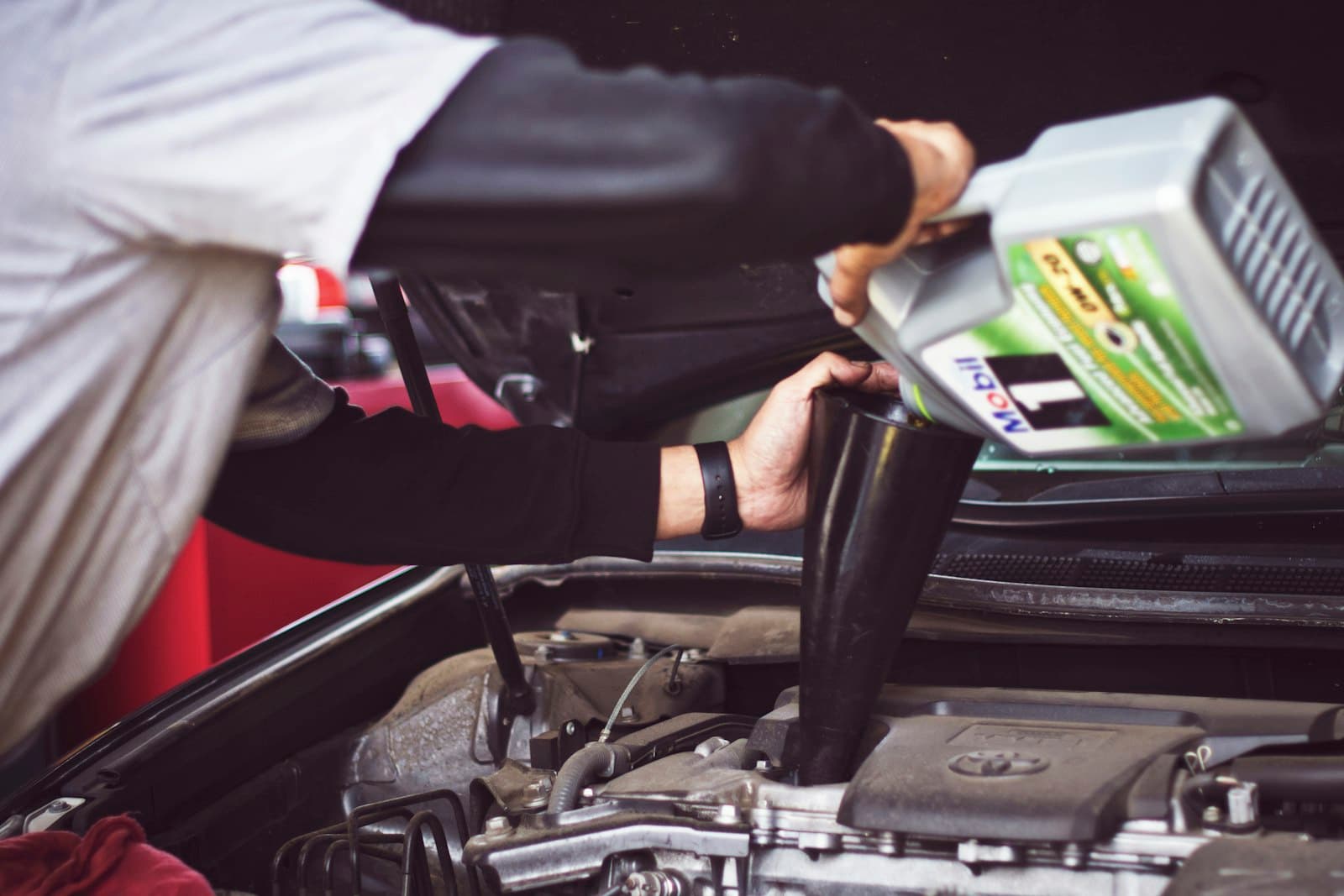
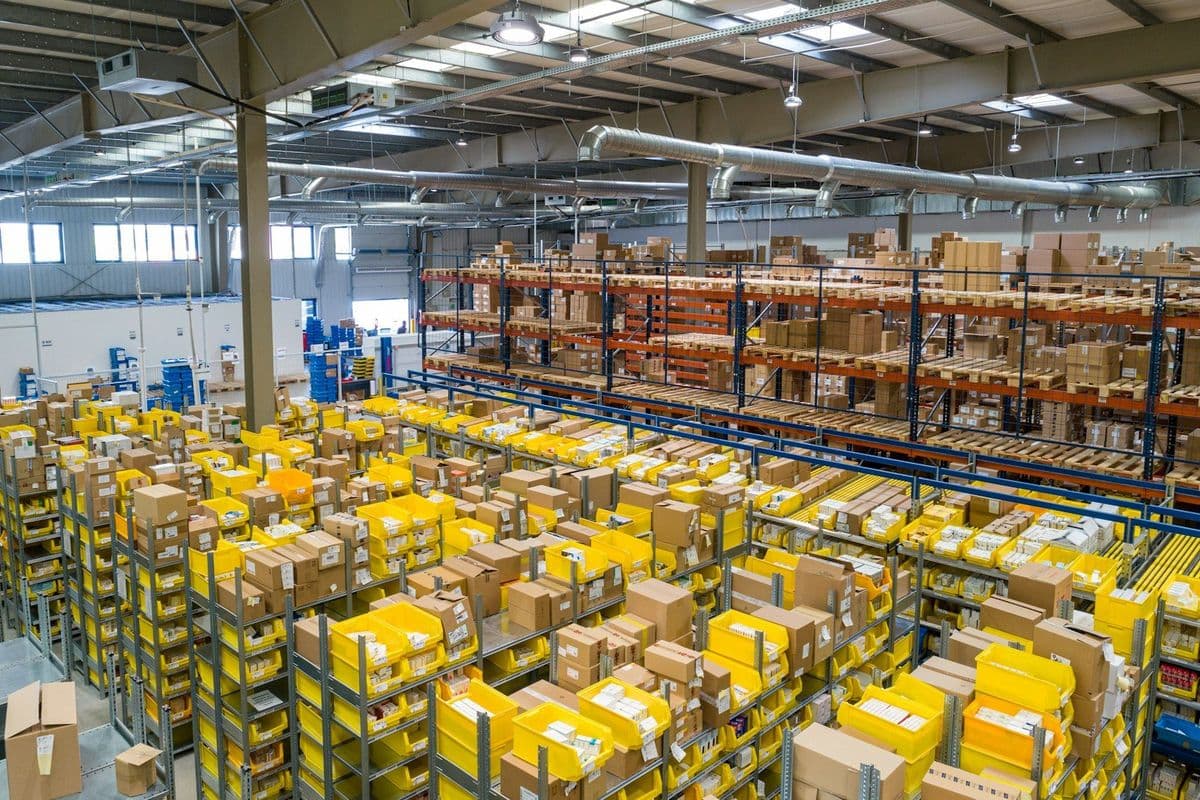
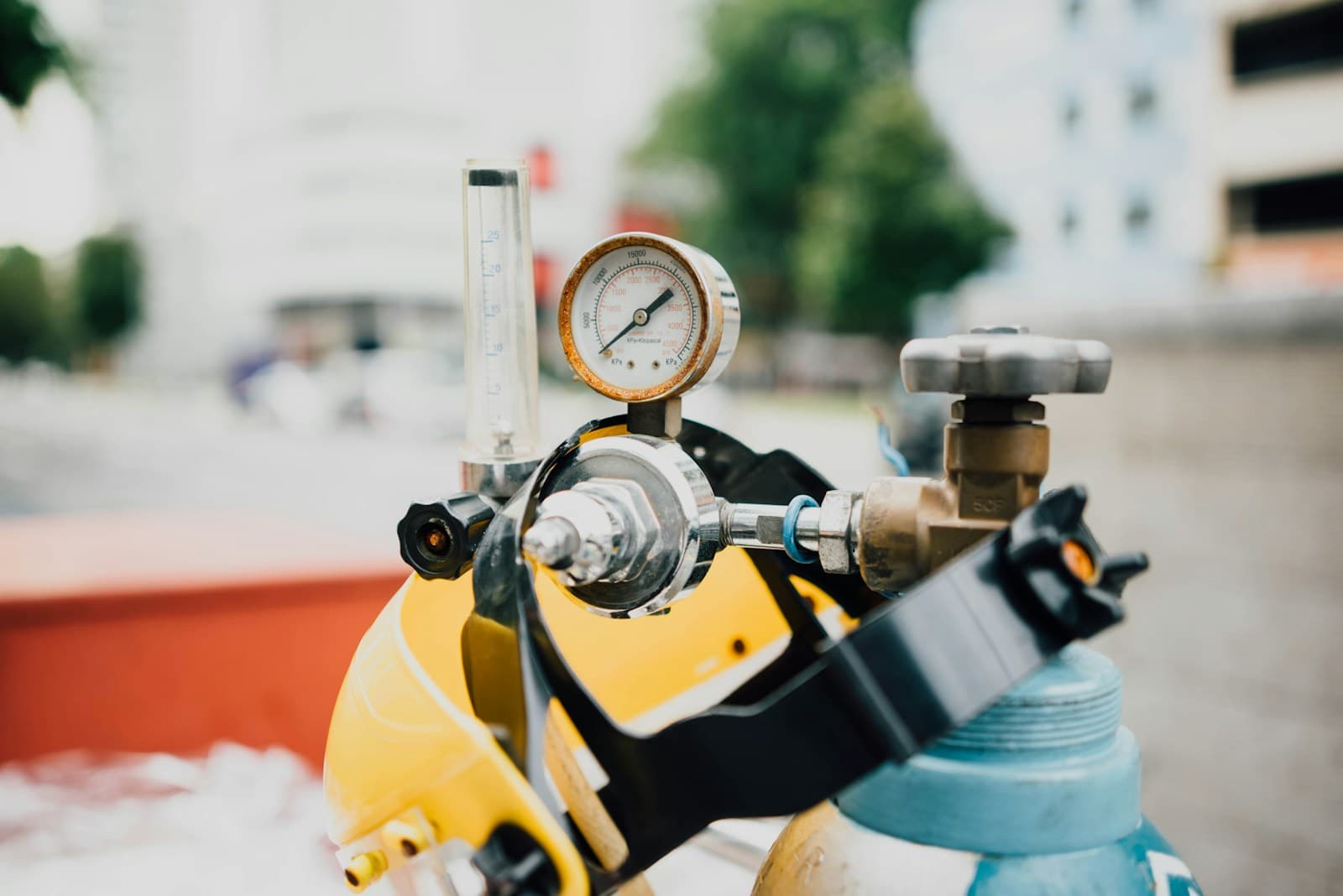
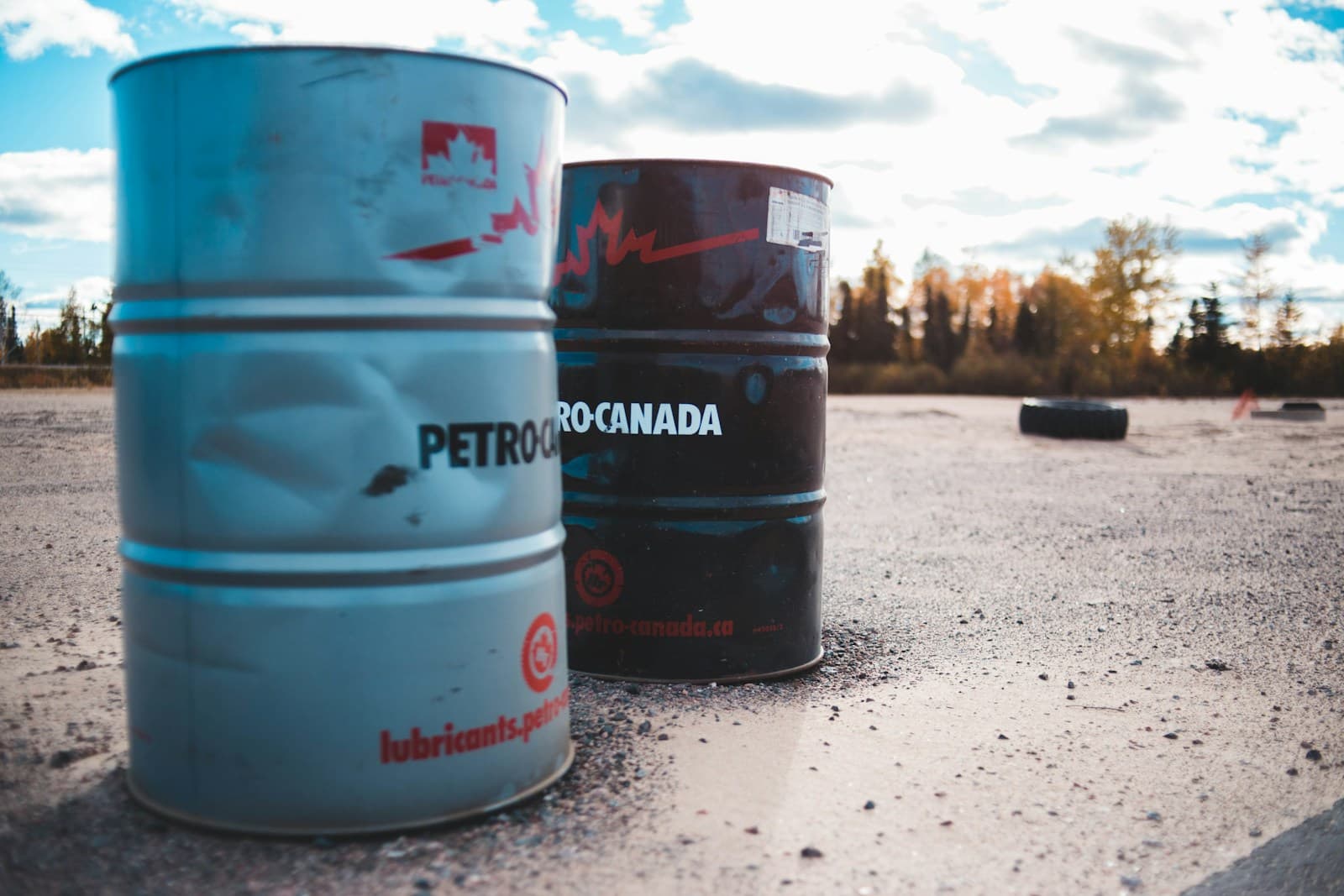
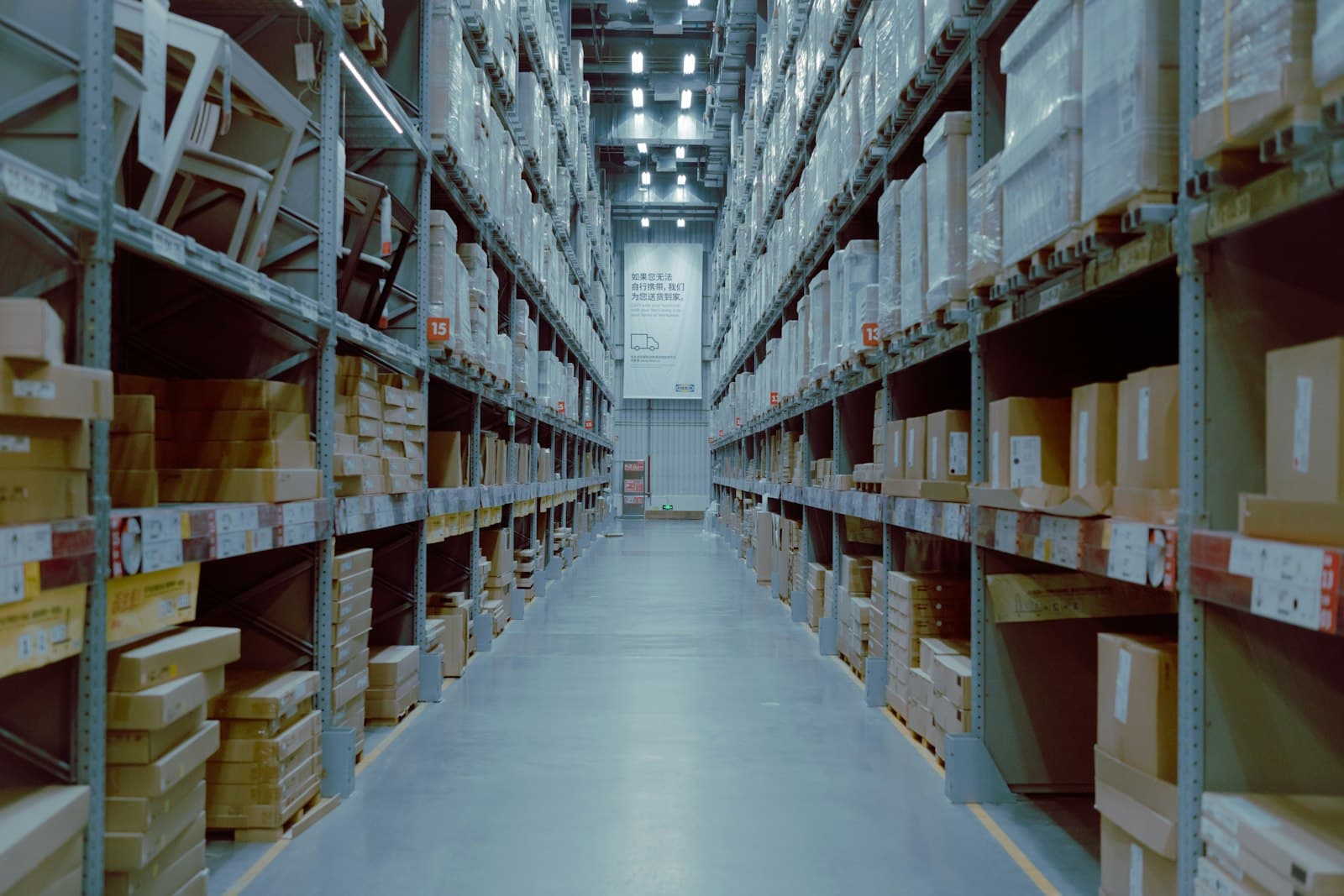
Forklift battery Lead-Acid vs LFP comparison ในโกดังอุตสาหกรรม

Photo by Unsplash

สรุป (TL;DR)

เปรียบเทียบ Forklift Battery Lead-Acid (Flooded + AGM) vs Lithium-Ion (LFP) — cycle life 1,500 vs 3,000, ราคา, opportunity charging, TCO 10 ปี, มาตรฐาน UL 2580 + EN 16796 สำหรับโกดังไทย

ทำไม Battery คือ Cost Center ที่ Hidden ที่สุดของ Forklift Operation

โกดังขนาดกลาง 10 forklifts:

  • Lead-Acid total investment: ฿1.2-1.8M
  • LFP total investment: ฿2.5-3.5M
  • ค่า maintenance Lead-Acid: ฿150-250K/yr
  • ค่า maintenance LFP: ฿15-40K/yr
  • Battery replacement Lead-Acid: 4-6 yr (50% chance)
  • Battery replacement LFP: 8-12 yr

10-year TCO can range ฿2.5-4M Lead-Acid vs ฿2.8-4M LFP depending on usage pattern.

Decision = depends on shift count, environment, downtime cost


Technology Comparison Table

Parameter Lead-Acid Flooded Lead-Acid AGM Lithium-Ion (LFP)
Energy density 30-40 Wh/kg 40-50 Wh/kg 90-170 Wh/kg
Cycle life @ 80% DoD 1,000-1,500 800-1,200 3,000-6,000
Calendar life 4-6 yr 5-7 yr 8-12 yr
Usable capacity 80% (must keep above 20%) 80% 100% (full discharge OK)
Charging time 6-8 hr + 6-8 hr cool down 4-6 hr 1-2 hr
Opportunity charging ❌ Stratification risk ⚠️ Limited ✅ Yes, fully supported
Maintenance Weekly water refill + monthly check Quarterly check None
Battery room ventilation 1 cfm/sq ft (H2 gas) 0.3 cfm/sq ft 0.3 cfm/sq ft
Cold storage performance -40% capacity at -10°C -30% at -10°C -10% at -10°C
Self-discharge/month 5-15% 3-5% 2-3%
Voltage stability Drops linearly with discharge Similar Flat curve until 95% empty
Operator productivity Lower (battery swap mid-shift) Lower Higher (no swap)
Safety Acid spills + H2 gas explosion risk Reduced spill risk No spill, no H2, thermal runaway management
Cost (48V 600Ah) ฿72-108K ฿108-156K ฿228-312K
TCO 10 yr (2-shift) ฿800K-1.2M (2 battery replacements) ฿700K-1M ฿600-800K (1 battery)

Use Case Analysis

Case 1: Single-shift Operation (8 hr/day)

Setup: 5 forklifts, 8 hr operation, weekend off

Lead-Acid:

  • 1 battery per forklift = 5 batteries total
  • Replace every 5 yr × 2 = 10 batteries / 10 yr
  • TCO 10 yr: 10 × ฿100K = ฿1M + maintenance + charging = ฿1.2M

LFP:

  • 1 battery per forklift = 5 batteries
  • No replacement needed in 10 yr
  • TCO 10 yr: 5 × ฿250K = ฿1.25M + minimal maintenance = ฿1.3M

Verdict: Tie. Lead-Acid slight edge if no downtime concern.

Case 2: 2-shift Operation (16 hr/day)

Setup: 5 forklifts, 16 hr operation

Lead-Acid:

  • Need 1 spare per forklift (battery swap) = 10 batteries
  • Replace every 4 yr × 2.5 = 25 batteries / 10 yr (or buy fewer + cycles wear faster)
  • TCO 10 yr: 25 × ฿100K = ฿2.5M
  • Plus battery room expansion + spare charger infrastructure

LFP:

  • 1 battery per forklift + opportunity charging during break = 5 batteries
  • Replace every 8 yr × 1 = 5 batteries / 10 yr
  • TCO 10 yr: 5 × ฿250K = ฿1.25M

Verdict: LFP wins by 50%. + No battery swap = productivity gain.

Case 3: 3-shift Operation + Cold Storage

Setup: 8 forklifts, 24 hr × 365 day, cold storage at -20°C

Lead-Acid:

  • Need 2 spare per forklift in cold (efficiency drop 50%) = 24 batteries
  • Replace every 3 yr × 3 = 72 batteries / 10 yr
  • TCO 10 yr: 72 × ฿100K = ฿7.2M
    • Special cold-rated batteries + insulation + heater overhead

LFP:

  • 1 battery per forklift + opportunity charging = 8 batteries
  • Cold tolerance much better — minimal performance drop
  • Replace every 7 yr × 1.5 = 12 batteries / 10 yr
  • TCO 10 yr: 12 × ฿250K = ฿3M

Verdict: LFP wins by 60%. Cold storage = LFP territory.


Decision Framework

flowchart TD
    Start[How many shifts?] --> Q1{1-shift only?}
    Q1 -->|Yes| Q2{Critical uptime?}
    Q2 -->|No - can afford downtime| LeadA[Lead-Acid OK
cheaper upfront] Q2 -->|Yes - must uptime| LFP1[LFP recommended
marginal cost premium] Q1 -->|No - 2+ shifts| Q3{Operating environment?} Q3 -->|Cold storage -20°C| LFP2[LFP wins decisively
60% TCO savings] Q3 -->|Outdoor / variable temp| Q4{Battery swap area
available?} Q4 -->|Yes - large space| LeadB[Lead-Acid possible
but LFP still better TCO] Q4 -->|No - tight space| LFP3[LFP only viable
opportunity charging] Q3 -->|Standard warehouse| LFP4[LFP 2-shift+ wins]

Maintenance Requirements

Lead-Acid Flooded — Weekly Tasks

  • Check water level (top up with distilled water if low)
  • Visual inspection for crack/leakage
  • Clean terminals (corrosion buildup)
  • Specific gravity test on 2-3 cells (hydrometer)
  • Equalize charge if SG variance > 0.020

Lead-Acid Flooded — Monthly Tasks

  • Full discharge test (capacity check)
  • Tighten all cable connections
  • Clean battery + tray
  • Apply petroleum jelly on terminals

LFP — Annual Tasks

  • Visual inspection
  • Verify BMS firmware up-to-date
  • Check thermal sensor calibration
  • (No water, no SG test, no terminal cleaning needed)

Time savings LFP vs Lead-Acid: 15-30 hr/yr per battery × 10 batteries × ฿250/hr labor = ฿37,500-75,000/yr saved


Battery Room Code Requirements

Lead-Acid Battery Room (UL 1564 + IFC 608)

  • ✅ Ventilation 1 cfm/sq ft minimum
  • ✅ Explosion-proof lighting fixtures (Class 1 Division 2)
  • ✅ No spark electrical equipment within 18 inches of cells
  • ✅ Eye wash station within 25 ft
  • ✅ Acid neutralizing kit available
  • ✅ Spill containment 110% of largest battery volume
  • ✅ Non-conductive flooring with epoxy coating
  • ✅ Temperature 15-30°C (heater + cooler as needed)
  • ✅ Hydrogen detector (alarm at 1% LEL)
  • ✅ Fire extinguisher Class C (CO2 or dry chemical)

Cost to build Lead-Acid battery room: ฿200-500K + ฿15-30K/yr maintenance

LFP Battery Charging Area (lighter requirements)

  • ✅ Ventilation 0.3 cfm/sq ft
  • ✅ Standard lighting
  • ✅ Temperature 15-30°C
  • ✅ Fire extinguisher Class C
  • ✅ BMS monitoring system

Cost to build LFP charging area: ฿50-100K + ฿5K/yr maintenance


Safety Standards

UL 2580 (Battery for EV/forklift)

  • Cell-level: short circuit, overcharge, over-discharge, temperature
  • Pack-level: mechanical shock, vibration, water ingress
  • System-level: fire propagation, thermal abuse

OSHA 1910.178 (Forklift Safety)

  • Daily pre-operation check including battery condition
  • Operator training
  • Maximum operator weight + load capacity
  • Charging area safety procedures

ANSI/ITSDF B56.1

  • Forklift capacity rating per battery state
  • Battery handling equipment specifications
  • Truck stability with various battery weights

Common Mistakes

1. "Lead-Acid ใช้มาตลอด ทำไมต้องเปลี่ยน"

  • Resistance to change ignores TCO math
  • Lead-Acid suitable IF: 1-shift + tolerance for battery swap + standard temp
  • For modern e-commerce + multi-shift + cold storage = LFP wins

2. Buying cheap LFP from no-name manufacturer

  • LFP cells without UL 2580 cert = insurance void + safety risk
  • Always specify Tier 1 cells: CATL, BYD, EVE
  • Pack-level: require BMS certified by UL or TUV

3. Skipping battery room upgrade for LFP

  • LFP doesn't need lead-acid room features
  • But still needs: ventilation 0.3 cfm/sq ft + thermal monitoring
  • Failure to upgrade = LFP fires can cascade (rare but possible)

4. Mixing battery technologies in same fleet

  • Different charging systems, different maintenance procedures
  • Operator confusion → wrong charging method → battery damage
  • Recommend: standardize on one technology per fleet

5. Wrong charger spec

  • LFP charger must match exactly: voltage, current, BMS compatibility
  • Generic charger may overcharge LFP → cell damage
  • Use OEM-recommended charger only

Real Saha Customer Examples

Case A: 3PL Warehouse Bangkok (15 forklifts, 2-shift)

  • Before: Lead-Acid Flooded, 30 batteries (15 active + 15 spare), 4-6 yr replacement
  • Switched: LFP, 15 batteries with opportunity charging
  • Result: TCO -45% over 10 yr, no battery swap downtime, 80% smaller battery room (rented out extra space ฿120K/yr)

Case B: Cold Storage Chonburi (-25°C operation, 8 forklifts, 24/7)

  • Before: AGM, 32 batteries (8 active + 24 spare), 2-3 yr replacement in cold
  • Switched: Cold-rated LFP, 8 batteries (cold tolerance much better)
  • Result: TCO -55% over 10 yr, productivity +25% (no swap), zero battery room

Case C: Manufacturing Plant Rayong (5 forklifts, 1-shift)

  • Decision: Stayed with Lead-Acid AGM
  • Reason: Single-shift + budget constraint + battery room already built
  • Plan: Switch to LFP at next replacement cycle (year 5)

Saha Service Packages

Tier 1: Audit + Recommendation (฿15-40K)

  • Site visit + measurement
  • Usage profile (shifts, environment, productivity needs)
  • 10-yr TCO calculation Lead-Acid vs LFP
  • Battery room compliance audit
  • Recommendation report

Tier 2: Procurement (฿80-380K per battery)

  • Lead-Acid Flooded/AGM Tier 1 brands (East Penn, EnerSys, Crown)
  • LFP Tier 1 cells (CATL/BYD/EVE) + UL 2580 certified pack
  • OEM charger compatible
  • 10-yr warranty (LFP) or 5-yr warranty (AGM)

Tier 3: Battery Room Build (฿100-500K)

  • Compliance with UL 1564 + IFC 608 (Lead-Acid) or simplified for LFP
  • Ventilation system
  • Charging infrastructure
  • Safety equipment (eye wash, neutralizing kit, etc.)

Tier 4: Maintenance Contract (฿20-50K per battery per yr)

  • Weekly inspection (Lead-Acid) or quarterly (LFP)
  • Equalize charging service
  • Capacity testing
  • Performance reporting

Summary

  • 2 technologies: Lead-Acid (Flooded + AGM) vs Lithium-Ion (LFP)
  • Single-shift: Lead-Acid OK · TCO similar
  • Multi-shift: LFP wins by 30-60% TCO
  • Cold storage: LFP wins decisively
  • Battery room: LFP needs less (no H2, no spill) = ฿200-400K savings
  • Productivity: LFP enables opportunity charging = no swap downtime
  • Tier 1 LFP cells: CATL · BYD · EVE
  • UL 2580 mandatory cert for safety

ลูกค้าที่ต้องการ Forklift battery audit + LFP migration plan — ติดต่อ Saha 02-096-2118 หรือ LINE OA @406rrgvm

แชร์:LINEFacebook
บริการที่เกี่ยวข้อง

ต้องการให้ทีมช่วยเหลือเรื่องนี้?

ทีมงานรับเสนอราคา + จัดส่ง + ติดตั้งครบวงจรในหัวข้อที่บทความนี้พูดถึง — ใบเสนอราคาฟรี ภายใน 2 ชั่วโมง

คำถามที่พบบ่อย

1

Forklift battery 2 ประเภทหลักคืออะไร?

+
Lead-Acid (2 รุ่นย่อย: Flooded + AGM/Sealed) และ Lithium-Ion (LFP - LiFePO4 ส่วนใหญ่). Lead-Acid = เทคโนโลยีเก่า ทดสอบมา 100+ ปี ราคาถูก แต่ต้องการ maintenance (เติมน้ำ ตรวจ specific gravity) + cooling room. LFP = เทคโนโลยีใหม่ no maintenance + opportunity charging + cycle ยาว แต่ราคาเริ่มต้นสูง 2-3x
2

TCO 10 ปี ใครคุ้มกว่า?

+
ขึ้นกับ usage. 1-shift (8 hr/day) operation: Lead-Acid ราคาเบื้องต้นถูก แต่ต้องเปลี่ยน battery 1-2 ครั้งภายใน 10 yr → TCO เท่าๆ LFP. 2-shift (16 hr/day) หรือ 3-shift: LFP win เพราะ opportunity charging ไม่ต้องมี extra battery + battery swap. Cold storage (-20°C): LFP win because Lead-Acid efficiency drops 40-50% in cold
3

Opportunity charging คืออะไร?

+
Opportunity charging = ชาร์จระหว่าง break (15-30 min) ที่ระดับสูง (1C-2C rate) แทนที่จะรอ full charge 6-8 hr. LFP ทำได้ปลอดภัย → ใช้ 1 battery ทั้ง shift. Lead-Acid ทำไม่ได้ — ต้อง full discharge cycle ก่อน recharge เพราะ stratification + sulfation. Multi-shift operation = LFP saves 1-2 spare batteries (฿200-400K each)
4

Battery room ventilation ทำไมสำคัญ?

+
Lead-Acid Flooded ปล่อย hydrogen gas ระหว่าง charging — ค่า explosive limit 4% volume. ห้อง battery charging ต้องมี ventilation 1 cfm/sq ft ตาม IFC 608 + UL 1564. LFP ปล่อย CO2 น้อย + no hydrogen — ventilation 0.3 cfm/sq ft ก็พอ. ห้อง battery ของ Lead-Acid ต้องมี: explosion-proof lighting, no-spark electrical, eye wash station, neutralizing kit. LFP ลด overhead significantly
5

เลือกตามขนาด forklift ยังไง?

+
Class I (Counterbalanced electric, 3-5 ton): voltage 48V หรือ 80V, capacity 600-1,000 Ah. Class II (Narrow aisle, 1.5-3 ton): 24V หรือ 36V, 500-800 Ah. Class III (Walkie / Pallet truck): 24V, 200-500 Ah. Heavy industrial 5+ ton: 80V หรือ 96V, 1,000+ Ah. LFP typically 1 size smaller (Ah) เพราะ usable capacity 100% vs Lead-Acid 80%
6

ราคา 2024 ในไทย?

+
Lead-Acid Flooded: ฿120-180/Ah at 48V → 600 Ah battery ฿72-108K. AGM: ฿180-260/Ah → 600 Ah ฿108-156K. LFP: ฿380-520/Ah at 48V → 600 Ah ฿228-312K. LFP รวม BMS + cooling. รวม charger: Lead-Acid charger ฿35-65K, LFP charger ฿85-150K (need higher current)
เปรียบเทียบ — ตัดสินใจซื้อ

ตารางเปรียบเทียบที่เกี่ยวข้องกับบทความนี้

เนื้อหาที่เกี่ยวข้อง

บทความ·6 นาที

Pallet Truck vs Forklift — เลือกอย่างไรตาม OSHA 1910.178 และ load capacity จริง

เปรียบเทียบ Pallet Truck (manual + electric) กับ Forklift (counterbalance + reach + order picker) — load capacity, ต้นทุน, การฝึกอบรม OSHA และเงื่อนไขเลือกตามขนาด คลังสินค้า

อ่าน
บทความ·7 นาที

Mezzanine Floor Loading kg/m² — TIS + AISC + EN 15512 รวม Standards สำหรับโรงงานไทย

คู่มือ Mezzanine Floor Loading capacity ตามมาตรฐาน TIS + AISC + EN 15512 — เลือก kg/m² capacity, design load factor, permit DPT กรมโยธาธิการ, ภาคีวิศวกร signoff, sizing สำหรับ storage + production

อ่าน
บทความ

AS 4084 vs EN 15512 — เลือก rack standard สำหรับ TOR ไทย

เปรียบเทียบมาตรฐาน pallet rack 3 ระบบ — AS 4084 (Australia), EN 15512 (Europe), FEM 10.2.06 — เลือกอันไหนตาม TOR กระทรวง + กรมโยธาธิการและผังเมือง + DPT 1311-50 seismic

อ่าน
บทความ·8 นาที

แร็คชั้นวางคลังสินค้า ราคาและผู้จำหน่ายในไทย ปี 2026 — Selective / Drive-In / Heavy Duty

ราคาแร็คชั้นวางคลังสินค้าในไทยปี 2026 ตาราขนาดมาตรฐาน Micro Rack Heavy Duty Selective พร้อมบริการสำรวจพื้นที่ฟรีและออกแบบแปลน

อ่าน