
ราคาแอโนดตั้งตามน้ำหนักโลหะจริง × ราคาโลหะวันที่เสนอ จึงเสนอเป็นรายงาน ไม่ใช่ตารางราคาที่ค้างแล้วผิด — บทความนี้บอกวิธีเทียบราคาที่ถูกต้อง (บาทต่อ A·h ไม่ใช่บาทต่อชิ้น) ค่าความจุที่ผู้ผลิตเผยแพร่ (อะลูมิเนียม 2,481 · สังกะสี 780 A·h/kg) มาตรฐานที่ TOR ขอ และข้อมูลที่ต้องส่งมาเพื่อให้ได้ราคาใน 48 ชม. จำหน่ายสำหรับงานแช่น้ำและฝังคอนกรีตเท่านั้น ไม่รับงานฝังดิน
การกัดกร่อน (Corrosion) เป็นภัยเงียบที่กัดเซาะโครงสร้างเหล็กและคอนกรีตอย่างต่อเนื่อง โดยเฉพาะในสภาพแวดล้อมชื้น สัมผัสน้ำทะเล ดินชุ่มน้ำ หรือบรรยากาศอุตสาหกรรมที่มี Chloride สูง Cathodic Protection (CP) โดยใช้ Sacrificial Anode คือวิธีที่ได้รับการพิสูจน์มานานกว่า 200 ปีว่าประสิทธิภาพดีและคุ้มค่าที่สุดในการป้องกันการกัดกร่อนของเหล็กและเหล็กกล้า
บทความนี้อธิบายว่าราคาแอโนดตั้งจากอะไร วิธีเทียบราคาให้ถูกหน่วย วิธีเลือก Anode ให้เหมาะกับสภาพแวดล้อม มาตรฐานที่เกี่ยวข้อง และขั้นตอนการสั่งซื้อสำหรับวิศวกรและผู้จัดซื้อโครงการในประเทศไทย ปี 2026
หลักการทำงานของ Cathodic Protection แบบ Sacrificial Anode
Cathodic Protection ทำงานบนหลักการของ Galvanic Cell — เมื่อโลหะสองชนิดที่ต่างกันจุ่มอยู่ในสารละลายอิเล็กโทรไลต์เดียวกัน โลหะที่มีค่า Electrode Potential ต่ำกว่า (Anodic) จะถูกกัดกร่อนก่อน ขณะที่โลหะที่มีค่าสูงกว่า (Cathodic) จะได้รับการปกป้อง
หลักการ: ติดตั้ง Anode ที่ทำจากโลหะ Anodic (Zinc, Magnesium, Aluminum) เข้ากับโครงสร้างเหล็กที่ต้องการปกป้อง → Anode จะถูกกัดกร่อนแทนเหล็ก → เหล็กไม่เกิดสนิม → เมื่อ Anode สึกหมดค่อยเปลี่ยนใหม่
ประเภท Sacrificial Anode และสภาพแวดล้อมที่เหมาะสม
1. Zinc Anode (แอโนดสังกะสี)
ส่วนประกอบ: Zn ≥ 95%, Al 0.1–0.5%, Cd 0.025–0.07% (ASTM B418 Type II)
สภาพแวดล้อมที่เหมาะ:
- น้ำทะเล (Seawater) — ทำงานได้ดีที่สุด ค่า Resistivity ต่ำ (15–30 Ω·cm) ทำให้กระแสไหลดี
- น้ำกร่อย (Brackish Water) ที่ Cl⁻ > 1,000 ppm
- โครงสร้างเหล็กใต้น้ำ: ท่อ Offshore, เรือ, ท่าเทียบเรือ, สะพาน, สะพานข้ามทะเล
ข้อจำกัด: ไม่ทำงานในดินที่ Resistivity สูง (> 1,500 Ω·cm) หรือน้ำจืดที่ Resistivity สูงมาก — ให้กระแสต่ำเกินไป
2. Magnesium Anode (แอโนดแมกนีเซียม)
ส่วนประกอบ: Mg ≥ 90%, Al 5.3–6.7%, Zn 2.5–3.5% (ASTM G-97)
สภาพแวดล้อมที่เหมาะ:
- ดิน (Soil / Earth) ที่ Resistivity 1,000–10,000 Ω·cm
- ท่อฝังดิน ถังน้ำ/น้ำมันใต้ดิน (UST)
- โครงสร้างคอนกรีตเสริมเหล็กในดินชื้น
- น้ำจืดที่ Resistivity สูง
ข้อได้เปรียบ: Driving Voltage สูง (~0.75 V เทียบกับ Zinc ~0.25 V) จึงให้กระแสเพียงพอแม้ในสภาพแวดล้อมที่มี Resistivity สูง
ข้อจำกัด: อายุการใช้งานสั้นกว่า Zinc ในสภาพแวดล้อมเดียวกัน เนื่องจาก Efficiency ต่ำกว่า ราคาต่อหน่วยสูงกว่า
3. Aluminum Anode (แอโนดอะลูมิเนียม)
ส่วนประกอบ: Al ≥ 97%, In 0.015–0.04%, Zn 2.0–6.0% (ASTM G-97)
สภาพแวดล้อมที่เหมาะ:
- น้ำทะเล และ น้ำกร่อย ที่มีอุณหภูมิสูง
- โครงสร้าง Offshore ที่ต้องการน้ำหนัก Anode เบา
- งานที่ต้องการ Current Capacity สูงกว่า Zinc ต่อน้ำหนัก
ข้อได้เปรียบ: ค่าที่ผู้ผลิตเผยแพร่คือ 2,481 A·h/kg เทียบสังกะสี 780 A·h/kg จึงใช้น้ำหนักราวหนึ่งในสามในการป้องกันพื้นที่เท่ากัน
ตารางเปรียบเทียบ Sacrificial Anode 3 ชนิด
| คุณสมบัติ | Zinc | Magnesium | Aluminum |
|---|---|---|---|
| Open Circuit Potential (vs CSE) | -1.05 V | -1.75 V | -1.05 to -1.10 V |
| ความจุไฟฟ้า (ค่าที่ผู้ผลิตเผยแพร่) | 780 A·h/kg | ≥ 1,100 A·h/kg | 2,481 A·h/kg |
| Current Efficiency | 90–95% | 40–60% | 90–95% |
| สภาพแวดล้อมที่เหมาะ | น้ำทะเล, น้ำกร่อย | ดิน, น้ำจืด | น้ำทะเล (อุณหภูมิสูง) |
| ราคาสัมพัทธ์ต่อกก. | ต่ำ | สูง | กลาง |
| มาตรฐานหลัก | ASTM B418 | ASTM G-97 | ASTM G-97 |
| อายุการใช้งาน | 5–15 ปี | 3–10 ปี | 5–20 ปี |
🧮 ก่อนดูราคา ต้องรู้ก่อนว่าใช้กี่ตัว — ราคาต่อกิโลไม่มีความหมายจนกว่าจะรู้มวลรวมที่งานคุณต้องใช้จริง คำนวณได้ที่ เครื่องคำนวณจำนวนและมวลแอโนด แล้วค่อยเอาตัวเลขนั้นมาคูณกับตารางราคาข้างล่าง
ราคาแอโนดคิดยังไง — และทำไมเราไม่ประกาศราคาต่อชิ้น
ราคาแอโนดไม่ได้ตั้งจาก "ก้อน" แต่ตั้งจาก น้ำหนักโลหะจริง × ราคาโลหะในวันที่เสนอ ราคาสังกะสีและอะลูมิเนียมเคลื่อนตามตลาดโลกทุกวัน ตารางราคาที่พิมพ์ค้างไว้จึงกลายเป็นตัวเลขผิดเงียบ ๆ ภายในไม่กี่เดือน และคนที่เสียหายคือผู้ซื้อที่เอาไปตั้งงบ
เราจึง เสนอราคาเป็นรายงาน ตามน้ำหนักจริงที่แบบของคุณต้องการ — ส่งแบบหรือน้ำหนักมา ได้ราคาใน 48 ชั่วโมง
Anode & งานป้องกันสนิม — สหวัฒนกิจจำหน่ายครบ ส่งทั่วไทย
ขอใบเสนอราคาอย่างรวดเร็วในเวลาทำการ · ออกใบกำกับภาษีได้ · ราคาส่งโรงงานตามปริมาณ
สิ่งที่มีประโยชน์กว่าตารางราคาคือ วิธีเทียบราคาให้ถูก ซึ่งอยู่ในหัวข้อถัดไป — เพราะข้อผิดพลาดที่แพงที่สุดในการจัดซื้อแอโนดไม่ใช่การจ่ายแพงไป แต่คือการเทียบผิดหน่วย
⚠️ ข้อผิดพลาดที่พบบ่อยที่สุดในการจัดซื้อแอโนด: เทียบราคาต่อชิ้น
แอโนดสองก้อนที่ "หน้าตาเหมือนกัน" อาจต่างกัน 3–4 เท่าในสิ่งที่ซื้อจริง เพราะราคาต่อชิ้นไม่ได้บอกอะไรเลยจนกว่าจะรู้ 3 อย่าง:
1. น้ำหนักสุทธิ (kg) — แอโนดตั้งราคาตามมวลของโลหะ ไม่ใช่ตามก้อน แท่งสังกะสี 3 กก. กับ 10 กก. ต่างกัน 3 เท่าโดยธรรมชาติ ก่อนเทียบราคาต้องถามน้ำหนักสุทธิเสมอ
2. ชนิดโลหะ → ความจุไฟฟ้าที่ได้จริง — ค่าที่ผู้ผลิตเผยแพร่: อะลูมิเนียม 2,481 A·h/kg (ทดสอบ free running 12 เดือน) เทียบสังกะสี 780 A·h/kg อะลูมิเนียม 1 กก. ทำงานแทนสังกะสีได้ราว 3 กก. ดังนั้นอะลูมิเนียมที่แพงกว่าต่อชิ้น อาจถูกกว่าต่อหน่วยการป้องกันจริง
3. มาตรฐานและส่วนผสม — Zinc ตาม ASTM B418 Type II ต้องมี Al และ Cd เป็น activator ถ้าเป็นสังกะสีเกรดต่ำที่ไม่มี activator ผิวจะเกิด passivation แล้ว หยุดจ่ายกระแส ทั้งที่เนื้อยังไม่สึก — คือจ่ายเงินซื้อของที่เลิกป้องกันไปแล้วตั้งแต่ปีแรก
วิธีเทียบที่ถูกต้อง — บาทต่อ A·h:
บาทต่อ A·h = ราคาต่อชิ้น ÷ (น้ำหนักสุทธิ kg × ความจุ A·h/kg × current efficiency)
ตัวอย่างการคิด (ตัวเลขราคาสมมติเพื่อแสดงวิธีคิดเท่านั้น ไม่ใช่ราคาของเรา):
อะลูมิเนียม 11.6 กก. สมมติราคา A → 11.6 × 2,000 × 0.90 ≈ 20,880 A·h สังกะสี 10 กก. สมมติราคา B → 10 × 780 × 0.92 ≈ 7,176 A·h
ก้อนอะลูมิเนียมก้อนเดียวให้การป้องกันเกือบ 3 เท่าของสังกะสี ดังนั้นแม้ราคาต่อชิ้นจะสูงกว่า 2–3 เท่า ต้นทุนต่อ A·h ก็อาจต่ำกว่า — และยังใช้จำนวนก้อนน้อยกว่า ทำให้ค่าแรงติดตั้งและจุดเชื่อมต่อลดลงอีก
เอาราคาที่ได้รับจากผู้ขายแต่ละรายใส่สูตรนี้ แล้วเทียบในหน่วยเดียวกัน
ขอน้ำหนักสุทธิ + มาตรฐาน (ASTM/มอก.) + current efficiency จากผู้ขายทุกราย แล้วเทียบในหน่วยเดียวกัน — ถ้าผู้ขายรายไหนให้ตัวเลขเหล่านี้ไม่ได้ นั่นคือคำตอบในตัวมันเอง
ราคางานติดตั้งระบบ Cathodic Protection (ทั้งโครงการ)
ราคาด้านบนเป็น ราคาแอโนดต่อหน่วย — แต่ "ระบบ Cathodic Protection ทั้งโครงการ" คิด ต่อแบบ (per drawing) ไม่ใช่ต่อชิ้น เพราะรวมการออกแบบ (current demand × พื้นที่ผิว ตาม ISO 12696 / DNV-RP-B401), จำนวนและการกระจายแอโนด, การติดตั้ง, ระบบตรวจวัด (monitoring) และการรับประกัน
จากโครงการ ติดตั้ง Concrete Anode cathodic protection ที่เราดำเนินการจริง ช่วงงบของงานทั้งโครงการอยู่ที่ประมาณ:
| ขอบเขตงาน | ช่วงงบโดยประมาณ (ทั้งโครงการ) |
|---|---|
| งานเคลือบกันสนิม / ซ่อมเฉพาะจุด (ขนาดเล็ก) | หลักแสนต้น ๆ |
| ติดตั้งระบบ Concrete Anode CP (ตามขนาด/ระยะป้องกัน) | ~฿0.7–1.0 ล้าน / โครงการ |
ตัวเลขนี้เป็นช่วงจากงานจริงเพื่อให้เห็น "ระดับงบ" — ราคาจริงของแต่ละงานคิดต่อแบบ ขึ้นกับขนาดโครงสร้าง ระยะเวลาที่ต้องการป้องกัน (design life) สภาพแวดล้อม (ความเค็ม/ความชื้น) และมาตรฐานที่ TOR กำหนด ดูวิธีประเมินที่ สำรวจสภาพการกัดกร่อนก่อนตัดสินใจ และเทียบความคุ้มระยะยาวที่ ต้นทุนตลอดอายุงานกันกร่อน (LCC)
ส่งแบบ / พื้นที่ผิว / สภาพแวดล้อม เพื่อให้วิศวกรประเมินและออกราคาต่อโครงการที่แม่นยำ
มาตรฐานที่ใช้งานในประเทศไทย
ASTM B418 — มาตรฐาน Zinc Anode
ASTM B418 กำหนดองค์ประกอบทางเคมีของ Zinc Anode แบ่งเป็น 2 Type:
- Type I: ใช้กับน้ำจืด — มีส่วนผสม Al และ Cd ต่ำกว่า
- Type II: ใช้กับน้ำทะเล — มาตรฐานหลักที่ใช้ในโครงการไทย
ISO 12696:2022 — Cathodic Protection ในคอนกรีต
ISO 12696 กำหนดข้อกำหนดสำหรับระบบ Cathodic Protection ในโครงสร้างคอนกรีตเสริมเหล็ก เช่น สะพาน อาคารชายทะเล ท่าเทียบเรือ ครอบคลุม:
- เกณฑ์การป้องกัน (Protection Criterion): โดยทั่วไปกำหนดให้ Steel Potential ≥ -770 mV (vs Ag/AgCl/0.5M KCl)
- วิธีตรวจวัดและติดตาม (Monitoring) ตลอดอายุโครงการ
DNV-RP-B401:2021 — Offshore Cathodic Protection
DNV (Det Norske Veritas) กำหนดมาตรฐานการออกแบบระบบ CP สำหรับโครงสร้าง Offshore รวมถึง:
- การคำนวณ Current Demand ตามพื้นที่ผิว ประเภทสิ่งแวดล้อม และอุณหภูมิ
- การเลือก Anode Material และการคำนวณน้ำหนักรวม
- อายุการออกแบบ (Design Life) และ Monitoring Requirements
ACI 222R-19 — Protection of Metals in Concrete
ACI 222R-19 เป็น Guide ของ American Concrete Institute ที่ครอบคลุมกลยุทธ์ทั้งหมดในการป้องกันการกัดกร่อนในคอนกรีต รวมถึง Sacrificial Anode และ Impressed Current Cathodic Protection (ICCP)
ขั้นตอนการสั่งซื้อและดำเนินโครงการ CP
ขั้นที่ 1: ส่งแบบโครงสร้างและข้อมูลสภาพแวดล้อม
วิศวกรต้องระบุ:
- ประเภทโครงสร้าง (ท่อใต้ดิน, สะพาน, เรือ, ท่าเทียบเรือ ฯลฯ)
- วัสดุโครงสร้างที่ต้องการปกป้อง (เหล็กกล้า, Cast Iron ฯลฯ)
- สภาพแวดล้อม (น้ำทะเล, น้ำกร่อย, ดิน ฯลฯ) พร้อม Resistivity ถ้าวัดได้
- พื้นที่ผิวรวมโดยประมาณ (m²)
- อายุการออกแบบ (Design Life) ที่ต้องการ
ขั้นที่ 2: วิศวกรประเมินจำนวน Anode
โดยใช้สูตรพื้นฐาน:
จำนวน Anode = (Current Demand ทั้งหมด) / (Output Current ต่อ Anode)
โดย Current Demand คำนวณจาก:
- พื้นที่ผิวที่ต้องปกป้อง × Current Density ที่ต้องการ (A/m²)
- Current Density ขึ้นอยู่กับสภาพแวดล้อม เช่น น้ำทะเล = 0.02–0.10 A/m²
ขั้นที่ 3: เลือกรูปแบบ Anode และออกแบบการติดตั้ง
- งานเรือ: Hull Anode แบบ Flush-Mount หรือ Weld-On
- งานท่อใต้ดิน: ไม่ใช่ขอบเขตของเรา — จำหน่ายสำหรับงานแช่น้ำและฝังคอนกรีตเท่านั้น
- งานสะพาน/คอนกรีต: Embedded Zinc Anode หรือระบบ ICCP
- งาน Offshore: Bracelet Anode หรือ Stand-off Anode
ขั้นที่ 4: จัดซื้อ + ติดตั้ง + ทดสอบ
หลังติดตั้ง ต้องทดสอบด้วยการวัด Steel-to-Electrolyte Potential ด้วย Reference Electrode (เช่น Ag/AgCl, Cu/CuSO₄) เพื่อยืนยันว่าโครงสร้างได้รับการปกป้องตามเกณฑ์มาตรฐาน
Case Study: โครงการท่าเรือและสะพานในไทย
กรณีท่าเทียบเรือชายทะเลอ่าวไทย
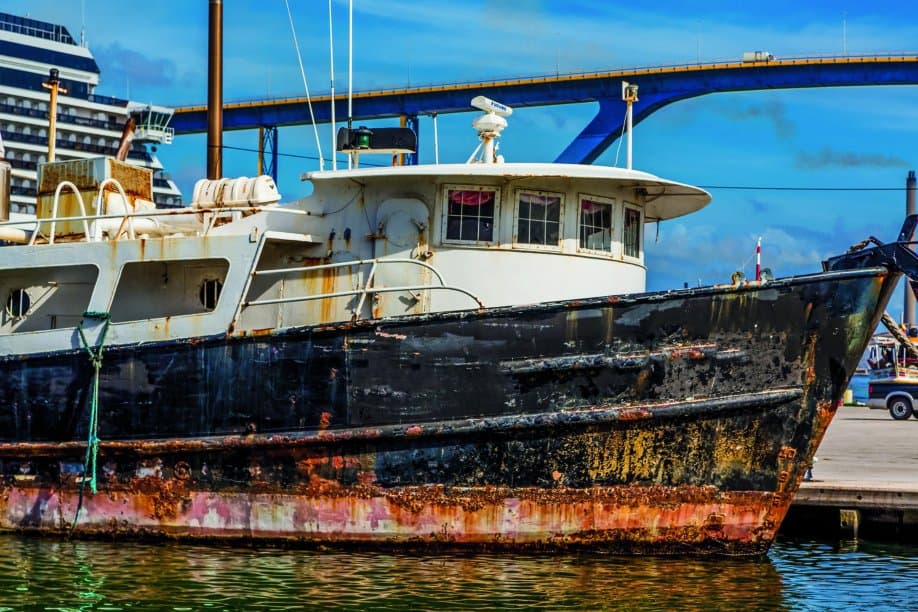
โครงสร้างเหล็กในน้ำทะเลอ่าวไทยมี Chloride Concentration สูง (~19,000 ppm) อัตราการกัดกร่อนโดยไม่มีการป้องกันสูงถึง 0.1–0.3 mm/ปี
แนวทาง: ติดตั้ง Zinc Anode Type II (ASTM B418) แบบ Weld-On ที่โครงสร้างเหล็กใต้น้ำ ออกแบบตาม DNV-RP-B401 สำหรับ Design Life 20 ปี
ผลลัพธ์: ลดอัตราการกัดกร่อนจาก 0.2 mm/ปี เหลือ < 0.01 mm/ปี คืนทุนใน 3–5 ปีจากการลดค่าซ่อมแซม
ขอบเขตที่เรารับและไม่รับ
สหวัฒนกิจจำหน่ายอาโนดสำหรับ งานแช่น้ำและงานฝังในคอนกรีตเท่านั้น — ไม่รับงานป้องกันสนิมแบบฝังดิน งานฝังดินต้องวัดความต้านทานดิน ออกแบบหลุมอาโนด (groundbed) และใช้วัสดุกลบเฉพาะ ซึ่งเป็นงานออกแบบระบบ ไม่ใช่การขายก้อนอาโนด ถ้างานของคุณเป็นท่อหรือถังฝังดิน บอกเรามาได้ เราจะบอกตรง ๆ ว่าไม่ใช่ของเรา
บริการครบวงจร: Supply + Install + Engineer
บริษัท สหวัฒนกิจ (1988) จำกัด ไม่ได้เพียงแค่จำหน่าย Anode แต่ให้บริการครบวงจร:
- Corrosion Survey — ตรวจสอบสภาพโครงสร้างและวัดค่า Soil/Water Resistivity
- CP Design — ออกแบบระบบโดยวิศวกรที่มีประสบการณ์ พร้อมคำนวณปริมาณ Anode ตามมาตรฐาน
- Supply Anode — จัดหา Zinc, Magnesium, Aluminum Anode ตามแบบ พร้อม ASTM Test Certificate
- Installation — ติดตั้งโดยทีมช่างที่มีความเชี่ยวชาญ
- Commissioning & Testing — ทดสอบระบบหลังติดตั้งและออกรายงาน
- Annual Monitoring — ตรวจวัดประจำปีและแนะนำการเปลี่ยน Anode ที่สึกหรอ
คำถามที่พบบ่อยเกี่ยวกับ Cathodic Protection
Q: ต้องเปลี่ยน Anode ทุกกี่ปี? ขึ้นอยู่กับขนาด Anode ที่ใช้และ Current Demand ของโครงสร้าง โดยทั่วไป Zinc Anode ในน้ำทะเลออกแบบให้อายุ 5–15 ปีต่อชุด การตรวจสอบประจำปีจะบอกได้ว่า Anode เสื่อมสภาพแค่ไหน
Q: ใช้ Cathodic Protection ร่วมกับการทาสีได้ไหม? ได้ และควรทำร่วมกัน การเคลือบสี (Coating) ช่วยลด Current Demand ของ CP System ลงได้ 80–95% ทำให้ใช้ Anode น้อยลงมากและประหยัดต้นทุน
Q: อาคารที่มีอยู่แล้วจะติดตั้ง CP ย้อนหลังได้ไหม? ได้ สำหรับสะพานคอนกรีตและอาคารชายทะเล มีระบบ Embedded Zinc Anode ที่ติดตั้งในรอยซ่อมแซมคอนกรีต (Repair Mortar) ตามมาตรฐาน ISO 12696 ช่วยป้องกันสนิมที่บริเวณซ่อมต่อและบริเวณโดยรอบ
Q: CP ต่างจากการทาสีกันสนิมอย่างไร? การทาสีกันสนิมเป็น Barrier Protection — สร้างชั้นกั้นระหว่างเหล็กกับสิ่งแวดล้อม แต่เมื่อสีหลุดหรือถูกทะลุจะเกิดสนิมทันที CP เป็น Active Protection — ให้กระแสอิเล็กตรอนแก่เหล็กอย่างต่อเนื่อง แม้สีหลุดบางจุดก็ยังได้รับการปกป้อง ทั้งสองวิธีจึงเสริมกัน ไม่ใช่ทดแทนกัน
สั่งซื้อและสอบถามราคา
บริษัท สหวัฒนกิจ (1988) จำกัด จัดจำหน่ายและรับเหมาระบบ Cathodic Protection ทั่วประเทศ พร้อมใบกำกับภาษีและเอกสาร ASTM Certificate
- โทร: 02-096-2118 / 081-866-8368 (คุณนาวิน)
- อีเมล: info@sahawatthanakit1988.com
- LINE: @sahawatt1988
- เว็บ: sahawatthanakit1988.com
- วันจันทร์–ศุกร์ 08:00–17:00 น.
- จัดส่งทั่วไทย | ส่งด่วน Bangkok / นนทบุรี / ปทุมธานี
ส่งแบบโครงสร้างหรือรายละเอียดโครงการมาทาง LINE หรืออีเมล เพื่อรับการประเมินและใบเสนอราคาจากวิศวกรอย่างรวดเร็ว
รับเอกสารสรุปหัวข้อนี้เป็น PDF
บทสรุป + หัวข้อครบ + มาตรฐานอ้างอิง มีโลโก้ Saha แนบ memo/TOR ได้ทันที — ส่งเข้าอีเมลให้ด้วย
อ่านแล้วมีคำถาม? ให้วิศวกรช่วย
บอกสิ่งที่อยากรู้สั้นๆ — วิศวกรสหวัฒนกิจช่วยเลือกสเปกที่เหมาะ พร้อมใบเสนอราคาจริง ไม่มีค่าบริการ
ต้องการให้ทีมช่วยเหลือเรื่องนี้?
ทีมงานรับเสนอราคา + จัดส่ง + ติดตั้งครบวงจรในหัวข้อที่บทความนี้พูดถึง — ใบเสนอราคาฟรี อย่างรวดเร็วในเวลาทำการ
อีกสายงานหนึ่งของเรา — เครื่องมือหลังบ้านสำหรับ SME
ทะเบียนใบเสนอราคา + Win Rate (ไทย + English ในชุดเดียว)
ส่งใบเสนอราคาไปแล้วเงียบ — ทะเบียนใบเสนอราคาที่บอกว่าวันนี้ควรตามใบไหนก่อน และอัตราปิดงานจริงของคุณเท่าไหร่
ตารางเปรียบเทียบที่เกี่ยวข้องกับบทความนี้
เนื้อหาที่เกี่ยวข้อง
Cathodic Protection สำหรับ Cooling Tower โรงงาน + Data Center — เลือก Anode 4 ชนิดและคู่มือ TOR
Cathodic protection สำหรับ cooling tower โครงสร้างเหล็ก + คอนกรีต — เปรียบเทียบ zinc, aluminium, magnesium anode + ICCP สำหรับน้ำหมุนเวียน chiller plant และ data center water-cooled — มาตรฐาน NACE SP0388, ISO 12696 พร้อม TOR template
Galvanic Cathodic Protection สำหรับเหล็กเสริมในคอนกรีต — มาตรฐาน ASTM B418, มอก. 3029, ISO 12696
อธิบายหลักการ Galvanic Cathodic Protection (GCP) ที่ใช้อะโนดสังกะสีฝังในคอนกรีต ป้องกันการกัดกร่อนของเหล็กเสริม ตามมาตรฐาน ASTM B418, มอก. 3029-2563 และ ISO 12696 พร้อมแนวทางเลือกใช้สำหรับโครงสร้างไทย
Cathodic Protection คืออะไร — หลักการ 2 ระบบ (Galvanic vs ICCP) เลือกแอโนด และงานที่ใช้ในไทย
Cathodic Protection (แคโทดิก โพรเทคชั่น) คือระบบป้องกันการกัดกร่อนโลหะด้วยไฟฟ้าเคมี ทำให้เหล็กเป็นขั้วลบตลอดเวลา อธิบายหลักการ 2 ระบบ Galvanic Anode กับ ICCP วิธีเลือกแอโนด เกณฑ์ NACE SP0169 และงานที่ใช้จริงในไทย: ท่อฝังดิน ท่าเรือ ตัวเรือ เหล็กเสริมในคอนกรีต
อะโนด 4 ชนิด — Concrete vs Aluminium vs Zinc vs Magnesium เลือกอย่างไร + ราคา/ผู้จำหน่ายในไทย 2026
คู่มือเลือก Sacrificial Anode 4 ชนิดในงาน Galvanic Cathodic Protection — Concrete Anode (มาตรฐาน/ขนาดใหญ่) ในเหล็กเสริมคอนกรีต, Aluminium (Al-Zn-In) ในงานทะเล, Zinc 99.995% ในตัวเรือ, Magnesium ในน้ำจืด พร้อมมาตรฐาน มอก. 3029-2563, มอก. 3359-2565, ASTM B418, ISO 12696, NACE/AMPP. สหวัฒนกิจจำหน่ายอะโนดครบทุกชนิด ส่งทั่วไทย ราคาส่ง ใบเสนอราคาอย่างรวดเร็วในเวลาทำการ