
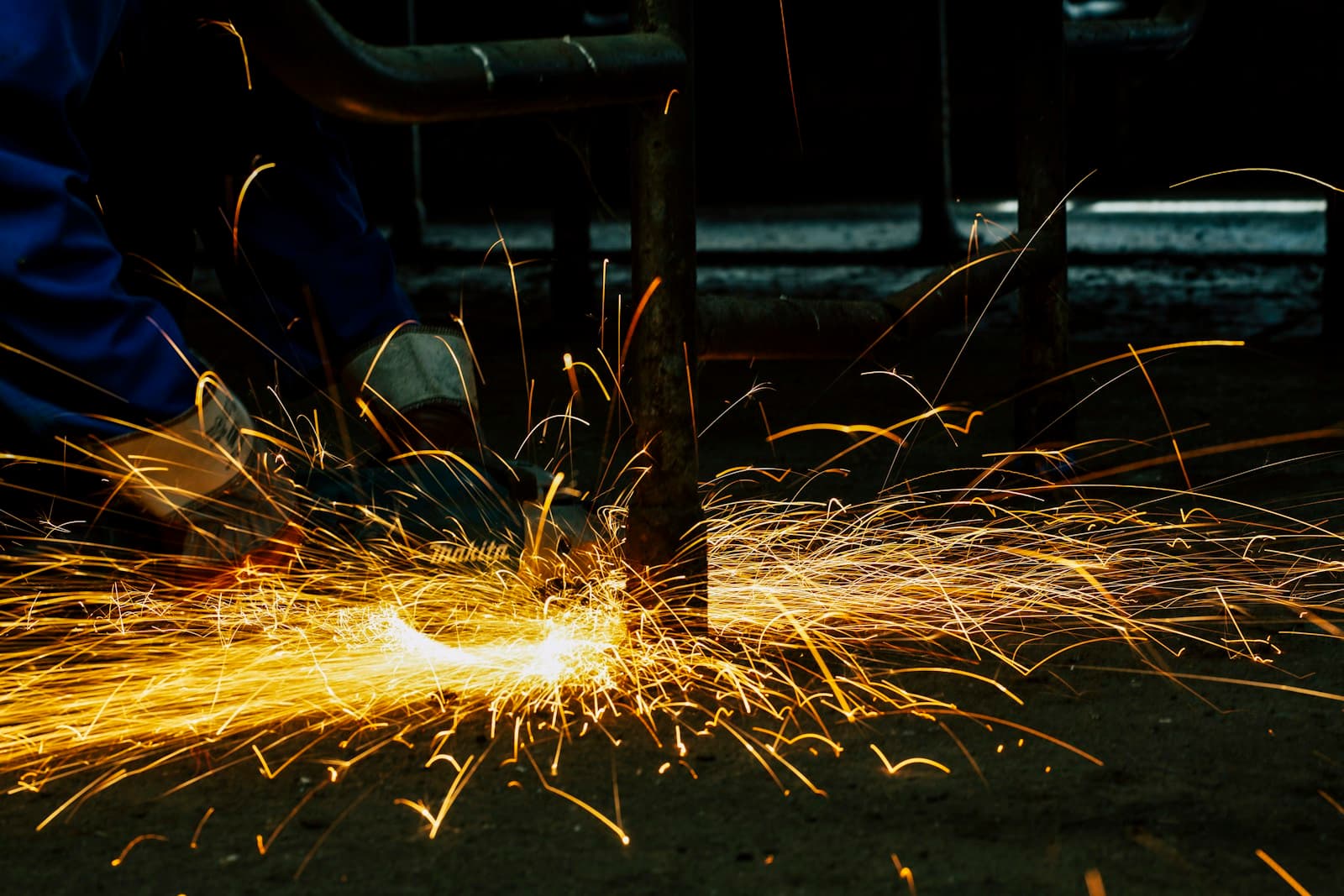
คู่มือเลือกซื้อผ้ากันสะเก็ดไฟสำหรับผู้จัดซื้อโรงงาน ครอบคลุม EN 1869 Class 1/2/3, วิธีตรวจสอบ CE certificate จริง, ความแตกต่าง fiberglass/silica/ceramic และสัญญาณเตือนผ้าไม่ได้มาตรฐาน
ผ้ากันสะเก็ดไฟ "ถูก" ที่ไม่มีมาตรฐาน อาจแพงกว่าที่คิด
อุบัติเหตุไฟไหม้จากงานเชื่อมในโรงงานไทยส่วนใหญ่เกิดจาก 2 สาเหตุหลัก: การใช้งานผิดประเภท และการซื้อผ้ากันสะเก็ดไฟที่ไม่ได้รับการทดสอบมาตรฐาน ผ้าที่ดูเหมือนกันแต่ราคาต่างกัน 2 เท่า มักมาจากการที่ผู้ผลิตละเว้นกระบวนการทดสอบ EN 1869 ที่ใช้ต้นทุนสูงกว่า
EN 1869 คืออะไร และทำไมถึงสำคัญ
EN 1869:2019 (อัปเดตจาก EN 1869:1997) คือมาตรฐานยุโรปสำหรับผ้ากันไฟ (fire blankets) ที่ใช้ดับเพลิงขนาดเล็กและป้องกันการลุกลามของเปลวไฟ
มาตรฐานนี้ทดสอบ 3 ด้านหลัก:
- ความสามารถดับไฟ — ทดสอบดับเปลวไฟที่ติดบนกระทะน้ำมัน (Class F fire test)
- การป้องกันความร้อนส่งผ่าน — วัดว่าความร้อนผ่านผ้ามาถึงมืออย่างไร
- ความทนทานหลังใช้งาน — ผ้าต้องไม่แตกหรือเปราะหลังถูกไฟ
EN 1869 Class 1, 2, 3 ต่างกันอย่างไร?
| Class | การใช้งาน | ขนาดทดสอบ |
|---|---|---|
| Class 1 | ดับไฟในครัวเรือน, ไฟขนาดเล็ก | ≥ 1.0×1.0 m |
| Class 2 | ไฟขนาดกลาง, ใช้ในอาคารพาณิชย์/โรงงาน | ≥ 1.2×1.2 m |
| Class 3 | ไฟขนาดใหญ่, สำหรับบุคคล (ห่อตัวหนีไฟ) | ≥ 1.8×1.8 m |
สำหรับงานโรงงาน: ส่วนใหญ่ใช้ผ้ากันสะเก็ดไฟป้องกันพื้นที่เชื่อม ซึ่งเป็นคนละ application กับ "fire blanket" ตามนิยาม EN 1869 — ต้องระบุ EN 1869 + welding application ในใบ spec ให้ชัดเจน
ผ้ากันสะเก็ดไฟ & งานเชื่อม — สหวัฒนกิจจำหน่ายครบ
ขอใบเสนอราคาภายใน 2 ชั่วโมง · ออกใบกำกับภาษีได้ · ราคาส่งโรงงานตามปริมาณ
วิธีตรวจสอบ Certificate จริง vs ปลอม
สัญญาณ Certificate จริง
✓ ระบุชื่อ Notified Body (NB) พร้อมหมายเลข NB เช่น TÜV SÜD (NB 0123), Intertek (NB 0359) ✓ ระบุมาตรฐานเวอร์ชัน: "EN 1869:2019" ไม่ใช่แค่ "EN 1869" ✓ ระบุ product description ตรงกับสินค้าที่สั่ง (วัสดุ, น้ำหนัก/m², ขนาด) ✓ วันหมดอายุ certificate ยังไม่เกิน
สัญญาณเตือน
✗ Certificate ออกโดยบริษัทที่ไม่มีในรายชื่อ EU Notified Bodies (ตรวจสอบที่ ec.europa.eu/growth/tools-databases/nando) ✗ ระบุแค่ "Meets EN 1869" โดยไม่มีหมายเลข test report ✗ CE marking บนผ้าโดยไม่มี DoC (Declaration of Conformity) ✗ ราคาต่ำกว่าตลาด 40%+ โดยไม่มีคำอธิบาย
เลือกวัสดุให้ถูกตาม Temperature ของงาน
| วัสดุ | อุณหภูมิสูงสุด | ราคาสัมพัทธ์ | เหมาะกับ |
|---|---|---|---|
| Fiberglass | 550°C | ฿ | MIG/MAG, grinding ทั่วไป |
| Fiberglass + Vermiculite | 550°C | ฿฿ | Slag splash หนัก |
| Fiberglass + Silicone | 550°C | ฿฿ | Chemical + spark รวมกัน |
| Silica | 1,000°C | ฿฿฿ | TIG/Arc หนัก, หล่อโลหะ |
| Ceramic Fiber | 1,260°C | ฿฿฿฿ | เตาเผา, continuous high-temp |
| Bio-Soluble Ceramic (BSC) | 1,260°C | ฿฿฿฿ | ทดแทน RCF ที่เป็นสารก่อมะเร็ง |
กฎเลือกวัสดุ:
- งานเชื่อมโรงงานทั่วไป → Fiberglass 550°C (cost-effective)
- งาน pipeline/shipyard → Silica 1,000°C
- เตาอุตสาหกรรม → Ceramic 1,260°C
Checklist สำหรับผู้จัดซื้อโรงงาน
ก่อนสั่งซื้อ — ขอเอกสารเหล่านี้:
- EN 1869 test report จาก accredited lab (ไม่ใช่แค่คำโฆษณา)
- DoC (Declaration of Conformity) ระบุมาตรฐานที่ผ่าน
- Safety Data Sheet (SDS) สำหรับ coating ที่ใช้ (Silicone/Vermiculite/PTFE)
- ข้อมูล SiO₂ content % (Silica ต้องการ >96%)
- น้ำหนัก g/m² ตรงตาม spec (ผ้าบางกว่า spec มักทนความร้อนน้อยกว่า)
ตรวจสอบตอนรับของ:
- ขนาดตรงตาม order ± 2%
- ไม่มีรูหรือขาดในผ้า
- ขอบตัดหรือเย็บเรียบ ไม่มีเส้นใยหลุดร่วง
อายุการใช้งานที่ควรรู้
- เก็บแห้ง ไม่โดนแดด: 5–10 ปี
- โดนฝน/น้ำสม่ำเสมอ: 1–3 ปี
- หลัง slag burn ทะลุ: เลิกใช้ทันที — อย่าซ่อม
มาตรฐาน NFPA 701 กำหนดให้ผ้ากันไฟต้องผ่าน flame propagation test ซ้ำหากเก็บรักษาไม่เหมาะสม — ผ้าเก่าที่ไม่แน่ใจควร re-test หรือเปลี่ยนใหม่
ขอ catalogue + ใบ certificate จริง: 02-096-2118 | 061-541-6939 สหวัฒนกิจ (1988) จำกัด — นนทบุรี ขอใบเสนอราคาผ้ากันสะเก็ดไฟ →
รับเอกสารสรุปหัวข้อนี้เป็น PDF
บทสรุป + หัวข้อครบ + มาตรฐานอ้างอิง มีโลโก้ Saha แนบ memo/TOR ได้ทันที — ส่งเข้าอีเมลให้ด้วย
อ่านแล้วมีคำถาม? ให้วิศวกรช่วย
บอกสิ่งที่อยากรู้สั้นๆ — วิศวกรสหวัฒนกิจช่วยเลือกสเปกที่เหมาะ พร้อมใบเสนอราคาจริง ไม่มีค่าบริการ
ต้องการให้ทีมช่วยเหลือเรื่องนี้?
ทีมงานรับเสนอราคา + จัดส่ง + ติดตั้งครบวงจรในหัวข้อที่บทความนี้พูดถึง — ใบเสนอราคาฟรี ภายใน 2 ชั่วโมง
อีกสายงานหนึ่งของเรา — เครื่องมือหลังบ้านสำหรับ SME
ทะเบียนใบเสนอราคา + Win Rate (ไทย + English ในชุดเดียว)
ส่งใบเสนอราคาไปแล้วเงียบ — ทะเบียนใบเสนอราคาที่บอกว่าวันนี้ควรตามใบไหนก่อน และอัตราปิดงานจริงของคุณเท่าไหร่
ตารางเปรียบเทียบที่เกี่ยวข้องกับบทความนี้
เนื้อหาที่เกี่ยวข้อง
Fire Watch หลังงานเชื่อม ต้องเฝ้ากี่นาที — OSHA 30 นาที vs NFPA 51B 60 นาที
ทำไมข้อกำหนดเฝ้าระวังไฟหลังงาน hot work ถึงมีทั้ง 30 และ 60 นาที — เทียบ OSHA 1910.252 / 1915.504 / 1926.352 กับ NFPA 51B ที่ให้เฝ้า 60 นาที + monitoring ต่ออีกถึง 3 ชั่วโมง และควรเขียนลง TOR ไทยอย่างไร
คู่มือวางระบบและดูแลโรงงานกลึง-เชื่อม-ขึ้นรูปโลหะ (Metal Fabrication) ครบวงจร — งานร้อนปลอดภัยตาม NFPA 51B + ผ้ากันสะเก็ดไฟ · เตรียมผิว Sa 2.5 ตาม ISO 8501 · ระบบเคลือบ ISO 12944 + zinc-rich primer · ตรวจ DFT/holiday · หล่อลื่นเครื่องจักร + ลมอัด ISO 8573 + ความปลอดภัยไฟฟ้า + ล็อกราคาวัสดุทั้งโรงงาน
คู่มือสำหรับเจ้าของและหัวหน้าโรงงานกลึง-เชื่อม-ขึ้นรูปโลหะ/โครงสร้างเหล็ก: วางระบบทั้งโรงงานแยกตามงาน — คุมงานร้อน (เชื่อม/ตัด/เจียร) ตาม NFPA 51B พร้อมเลือกเกรดผ้ากันสะเก็ดไฟ (EN 1869/FM 4950), เตรียมผิวให้ถึง Sa 2.5 ตาม ISO 8501 ก่อนเคลือบเสมอ, เลือกระบบสีกันกร่อนตาม ISO 12944 ตาม environment class (C1-CX) ด้วย zinc-rich primer/powder/liquid, ตรวจความหนาฟิล์ม DFT (ISO 19840/SSPC-PA2) และรูเข็ม (holiday), หล่อลื่นเครื่องจักร (ไฮดรอลิก/เกียร์/จาระบี) + เฝ้าระวังสภาพน้ำมัน/แบริ่ง, คุมคุณภาพลมอัด ISO 8573 สำหรับพ่นทราย-พ่นสี, และความปลอดภัยไฟฟ้า (arc flash NFPA 70E) + เครน/รอก (ASME B30) — พร้อมวิธี standardize วัสดุเพื่อล็อกราคาและรอบส่งทั้งโรงงาน
Welding Blanket Grade Selection — สเกล Spatter / Slag / Molten Metal แต่ละ Application
เลือกผ้ากันสะเก็ดไฟตาม welding process (MIG/MAG/TIG/Arc/Plasma/Oxy-fuel) — spatter, slag, molten metal heat load — มาตรฐาน EN 1869, NFPA 701, ASTM E2307, FM 4950 — เทียบ fiberglass 550°C, silica 1000°C, ceramic 1260°C
Hot Work Permit OSHA 1910.252 + NFPA 51B — Flow และเอกสารที่โรงงานไทยต้องมี
คู่มือ Hot Work Permit ตามมาตรฐาน OSHA 1910.252 + NFPA 51B + AWS F4.1 + ANSI Z49.1 — flow chart, signature requirements, fire watch duration, fire prevention checklist, การปรับใช้ในโรงงานไทยและงานรับเหมา