
คู่มือเลือกสีเคลือบภายในถัง (tank lining) ทนเคมี: epoxy, epoxy novolac (กรด 98%), vinyl ester (กรด/ด่าง/ตัวทำละลาย อุณหภูมิสูง), การเตรียมผิว immersion, holiday test, มาตรฐาน API 652 / NACE SP0178 / SP0188 และการเลือกตามสารเคมี-อุณหภูมิในไทย
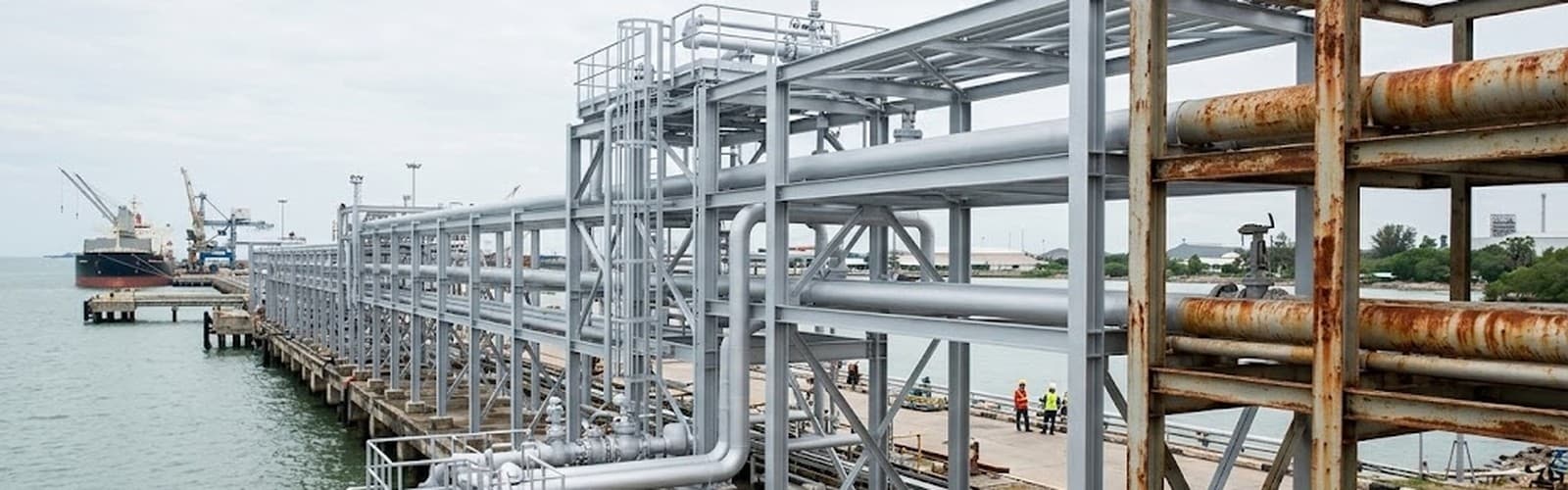
ถังเก็บ (storage tank) — กรด ด่าง น้ำมัน เชื้อเพลิง น้ำ สารเคมี — กัดกร่อน "จากภายใน" ตลอดเวลาที่บรรจุของเหลว ซึ่งโหดกว่าการกัดกร่อนภายนอกมาก สีกันสนิมภายนอกธรรมดา ใช้กับ immersion ไม่ได้ ต้องใช้ tank lining (สีเคลือบภายในทนเคมี) โดยเฉพาะ
บทความนี้อธิบายชนิด lining การเลือกตามสารเคมี การเตรียมผิว holiday test และมาตรฐาน API 652 / NACE
1. ทำไม immersion โหดกว่าภายนอก
flowchart TD
  A[ผิวเหล็กในถัง] --> B[แช่ของเหลวตลอดเวลา
immersion service]
  B --> C[สารซึมผ่าน permeation]
  B --> D[ความเข้มข้น + อุณหภูมิสูง]
  B --> E[abrasion จากการกวน/ไหล]
  C --> F[ต้องเรซินทนเคมีเฉพาะ
+ หนากว่า + holiday test 100%]
  D --> F
  E --> F
- Permeation — สารเคมีซึมผ่านฟิล์มไปถึงเหล็ก ถ้า lining บาง/ผิดชนิด
- ความเข้มข้น + อุณหภูมิ สูงเร่งการกัดกร่อน
- รูเข็มเดียว = ของเหลวถึงเหล็ก = กร่อนทะลุ
2. ชนิด Lining — เลือกตามสารเคมี
| Lining | ทนอะไร | อุณหภูมิ | งาน |
|---|---|---|---|
| Epoxy | เคมีทั่วไป | ปานกลาง | ถังน้ำ/เชื้อเพลิงทั่วไป |
| Epoxy Novolac | กรดเข้มข้น (H₂SO₄ ถึง 98%) | ~95-130°C | ถังกรด/น้ำมัน/ตัวทำละลายอ่อน |
| Vinyl Ester | กรด+ด่าง+ตัวทำละลาย กว้าง | สูง + abrasion | เคมีโหด/อุณหภูมิสูง (6-40 mils) |
| Rubber / Glass-flake | กรด/abrasion เฉพาะทาง | ตามระบบ | งานพิเศษ |
เลือกตาม chemical resistance chart ของผู้ผลิต เทียบสาร + ความเข้มข้น + อุณหภูมิจริง
3. หัวใจ — เตรียมผิว + Holiday Test
- เตรียมผิว immersion เข้มกว่าปกติ — abrasive blast Sa 2.5+ และแก้ surface imperfection (เหลี่ยมคม รอยเชื่อม รูพรุน) ตาม NACE SP0178
- Holiday test 100% (NACE SP0188) — ตรวจรูเข็มทั้งผิวด้วย high-voltage spark (lining หนา) หรือ wet sponge (lining บาง) — รูเดียวก็ไม่ผ่าน
- DFT ตามสเปก lining (immersion ต้องการหนากว่างานบรรยากาศ)
ต่างจากงานภายนอกที่ยอมความไม่สมบูรณ์เล็กน้อยได้ — immersion ต้อง 100%
4. มาตรฐาน
- API 652 — lining ก้นถังเก็บน้ำมันบนดิน
- NACE SP0178 — เตรียมผิว/รายละเอียดงานเชื่อมสำหรับ immersion lining
- NACE SP0188 — holiday/discontinuity testing
- ISO 12944 (Im category) — immersion · NACE SP0181 — internal coating
5. Checklist สเปก tank lining
- ระบุสาร + ความเข้มข้น + อุณหภูมิ ในถัง (ตัวตั้งของการเลือก lining)
- เลือกเรซิน จาก chemical resistance chart (novolac/vinyl ester)
- กำหนดเตรียมผิว (Sa 2.5+, แก้ surface imperfection NACE SP0178)
- กำหนด DFT + holiday test 100% (NACE SP0188)
- อาหาร/น้ำดื่ม → lining ที่ certified สัมผัสอาหาร/น้ำได้
เราจัดหาและประสานงาน tank lining สีเคลือบภายในทนเคมี — epoxy, epoxy novolac (กรดเข้มข้น), vinyl ester (เคมีโหด/อุณหภูมิสูง) ตาม API 652 / NACE SP0178 / SP0188 พร้อมคำแนะนำเลือกเรซินตามสาร+อุณหภูมิจริง, การเตรียมผิว immersion และ holiday test 100% สำหรับถังกรด/เชื้อเพลิง/น้ำ/อาหาร
ปรึกษาทีมวิศวกรเพื่อเลือกระบบ lining ให้ตรงสารเคมีของคุณ — โทร 02-096-2118 หรือ LINE OA @sahawatt1988
Summary
- Tank lining ≠ สีภายนอก — immersion โหดกว่า (permeation + ความเข้มข้น + อุณหภูมิ + abrasion)
- Epoxy novolac (กรดเข้มข้น ~95-130°C) · Vinyl ester (กรด/ด่าง/ตัวทำละลาย กว้าง อุณหภูมิสูง)
- เลือกตาม chemical resistance chart (สาร + ความเข้มข้น + อุณหภูมิจริง)
- เตรียมผิว Sa 2.5+ (NACE SP0178) + holiday test 100% (SP0188) — รูเข็มเดียวก็พัง
- มาตรฐาน: API 652 / NACE SP0178 / SP0188 / ISO 12944 Im
tank lining ถูกชนิด + holiday test ครบ = กันถังรั่ว/ปนเปื้อน ที่ค่าซ่อม+หยุดผลิตแพงกว่าหลายเท่า
รับเอกสารสรุปหัวข้อนี้เป็น PDF
บทสรุป + หัวข้อครบ + มาตรฐานอ้างอิง มีโลโก้ Saha แนบ memo/TOR ได้ทันที — ส่งเข้าอีเมลให้ด้วย
อ่านแล้วมีคำถาม? ให้วิศวกรช่วย
บอกสิ่งที่อยากรู้สั้นๆ — วิศวกรสหวัฒนกิจช่วยเลือกสเปกที่เหมาะ พร้อมใบเสนอราคาจริง ไม่มีค่าบริการ
ต้องการให้ทีมช่วยเหลือเรื่องนี้?
ทีมงานรับเสนอราคา + จัดส่ง + ติดตั้งครบวงจรในหัวข้อที่บทความนี้พูดถึง — ใบเสนอราคาฟรี อย่างรวดเร็วในเวลาทำการ
อีกสายงานหนึ่งของเรา — เครื่องมือหลังบ้านสำหรับ SME
ทะเบียนใบเสนอราคา + Win Rate (ไทย + English ในชุดเดียว)
ส่งใบเสนอราคาไปแล้วเงียบ — ทะเบียนใบเสนอราคาที่บอกว่าวันนี้ควรตามใบไหนก่อน และอัตราปิดงานจริงของคุณเท่าไหร่
คำถามที่พบบ่อย
1Tank lining (เคลือบใน) ต่างจากสีกันสนิมภายนอกยังไง?
+
2Epoxy Novolac กับ Vinyl Ester เลือกอันไหน?
+
3ทำไม holiday test สำคัญมากสำหรับ tank lining?
+
4งานในไทยแบบไหนต้อง tank lining?
+
เนื้อหาที่เกี่ยวข้อง
ผู้ตรวจสอบงานสี NACE/AMPP CIP vs FROSIO — ใครต้องมี cert, ระดับ Level 1/2/3 และข้อกำหนดใน TOR งานราชการ
เปรียบเทียบใบรับรองผู้ตรวจสอบงานสีกันสนิม 2 ระบบหลัก: NACE/AMPP CIP (Coating Inspector Program — Level 1/2/3 หลัง NACE ควบรวมเป็น AMPP ปี 2021) vs FROSIO (ระบบนอร์เวย์ — competence level I/II/III) — แต่ละระดับทำอะไรได้, งานแบบไหนต้องใช้ inspector ระดับไหน, การยอมรับในไทย/ต่างประเทศ และสิ่งที่ TOR ต้องระบุ (level, independence, hold point, รายงาน) เพื่อให้ตรวจรับงานสีได้จริง
ตรวจหารูเข็มในงานสี (Holiday/Pinhole Detection) — Wet Sponge vs High-Voltage Spark ตาม NACE/AMPP SP0188 & ASTM D5162
คู่มือตรวจหา holiday/pinhole (รูเข็มที่ตามองไม่เห็น) ในฟิล์มสีกันสนิม: เลือกวิธี low-voltage wet sponge (ฟิล์มบาง < 500 µm) vs high-voltage spark/DC (ฟิล์มหนา > 500 µm) ตาม NACE/AMPP SP0188, SP0490 และ ASTM D5162 — การตั้งแรงดันตาม DFT (ต่ำไปไม่เจอ สูงไปเผาสี), งานที่ต้องตรวจ (ถัง/ท่อ/งานแช่/marine), การ mark-ซ่อม-ตรวจซ้ำ และสิ่งที่ TOR ต้องระบุ
เงื่อนไขสภาพแวดล้อมก่อนทาสี — กฎผิว 'สูงกว่าจุดน้ำค้าง 3°C', RH < 85% ตาม ISO 8502-4 & ISO 12944-7
คู่มือเงื่อนไขสภาพแวดล้อมขณะทาสีกันสนิม: กฎผิวเหล็กต้องสูงกว่าจุดน้ำค้าง (dew point) อย่างน้อย 3°C, ความชื้นสัมพัทธ์ RH < 85% (ตาม TDS), อุณหภูมิผิวในช่วงที่สีกำหนด — วิธีวัด 4 ค่า (air temp, RH, dew point, surface temp) ตาม ISO 8502-4, ISO 12944-7 ทำไมทาตอนชื้น/ใกล้จุดน้ำค้างทำให้สีลอก-พอง-flash rust และสิ่งที่ TOR ต้องระบุสำหรับอากาศชื้นแบบไทย
ระบบสีกันสนิมเหล็กตาม ISO 12944 — เลือก corrosivity C2–CX, durability และชั้นสี primer/intermediate/topcoat สำหรับงานไทย
คู่มือเลือกระบบสีกันสนิมเหล็กโครงสร้างตาม ISO 12944: หมวด corrosivity C1–C5/CX (ฉบับ 2017/2018), durability range L/M/H/VH, การจับคู่ระบบสี zinc-rich primer + epoxy MIO + PU topcoat กับความหนา DFT ต่อหมวด, การ map สภาพแวดล้อมไทย (โรงงานเมือง vs ชายฝั่ง Map Ta Phut/Laem Chabang) และจุดที่ TOR มักระบุผิด