
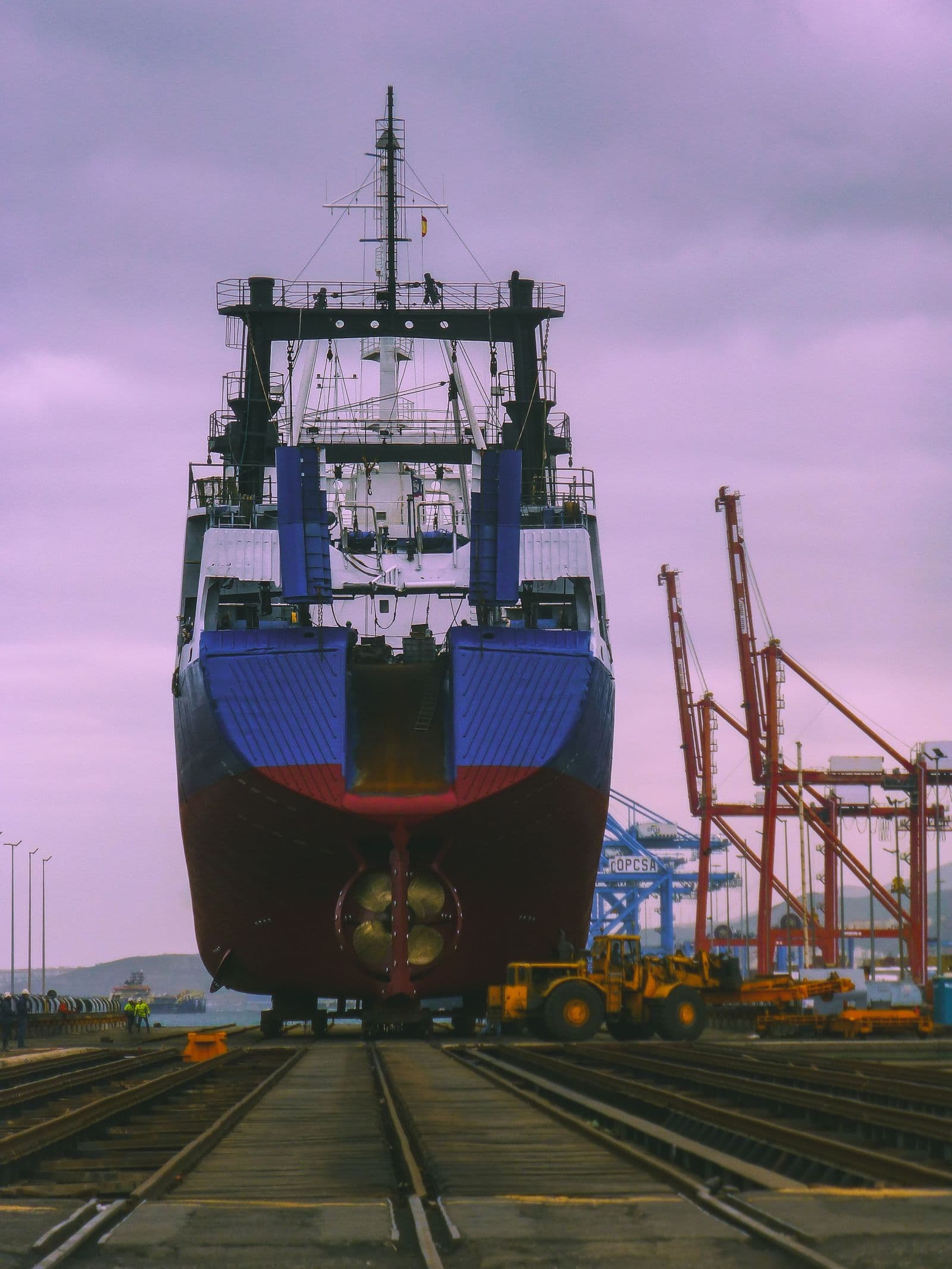
Field guide to selecting sacrificial anodes for Galvanic Cathodic Protection — Concrete Anode (standard/high-output) for reinforced concrete, Aluminium (Al-Zn-In) for marine seawater, Zinc 99.995% for ship hulls, Magnesium for fresh water. Standards: TIS 3029-2563, TIS 3359-2565, ASTM B418, ISO 12696, NACE SP0387, DNV-RP-B401.
Galvanic Cathodic Protection (GCP) prevents corrosion by using a "sacrificial anode" — a metal that corrodes preferentially over structural steel. The principle is basic electrochemistry: the metal with the lower electrode potential acts as the anode and is consumed instead of the steel.
But many engineers assume there is only "zinc anode embedded in concrete" — in fact the market carries four different anode types suited to different environments. Choose the wrong one and the CP system either depletes within five years or fails to protect at all (because the electrolyte does not conduct current).
This article summarises how to select among the four anode types per international standards (ISO 12696, ASTM B418, NACE SP0387, DNV-RP-B401) and Thailand's TIS standards (3029-2563 + 3359-2565) — the basis for spec compliance in government procurement.
Why four types?
Each metal has a different electrode potential in different environments — what works in one fails in another.
graph TD
    A[Select Sacrificial Anode] --> B{What is the environment?}
    B -->|Steel rebar in concrete
moisture + chloride| C[Concrete Anode standard/high-output]
    B -->|Seawater / brackish
marine| D[Aluminium Al-Zn-In]
    B -->|Ship hulls
sea chest, condenser| E[Zinc 99.995%]
    B -->|Fresh water
low conductivity| F[Magnesium]
    C --> G[TIS 3029-2563
ASTM B418 Type II
ISO 12696]
    D --> H[TIS 3359-2565
DNV-GL]
    E --> I[MIL-A-18001K
GL-Zn1]
    F --> J[NACE SP0387
AMPP]
Electrode Potential (vs. Cu/CuSO₄ reference)
| Metal | Open-Circuit Potential | Driving Voltage vs. Steel | Used in |
|---|---|---|---|
| Zinc | −1.05 V | −0.30 V | Seawater, sea chest |
| Aluminium (Al-Zn-In) | −1.10 V | −0.35 V | Seawater + brackish |
| Magnesium | −1.55 V | −0.80 V | Fresh water (high resistivity) |
| Zinc in mortar (Concrete Anode) | −1.10 V | −0.35 V | Reinforced concrete |
Summary: Magnesium has the strongest driving voltage but is consumed quickly — best for "low-conductivity" environments (fresh water). Zinc/Aluminium perform well in seawater. Concrete Anode is zinc in alkaline mortar pH ≥14 to stay active inside the concrete pore solution.
1. Concrete Anode (standard / high-output)
Specifications
- Core material: Zinc (Zn) in alkaline mortar pH ≥14 with lithium hydroxide (anti-passivation)
- Protection radius: ≥60 cm (standard) — the high-output model produces higher output for thicker structures
- Service life: ≥10 years
- Standards: TIS 3029-2563, ASTM B418-22 Type II, ISO 12696:2022, ACI 222R-19
Used in
- Underwater concrete piers
- Marine bridge beams
- Sea walls
- Underground parking decks
- Both new and rehab projects — limestone-shaped, easily tied to rebar with wire or strap
Post-installation acceptance KPI
- Polarization Decay ≥ 100 mV (NACE SP0387 + AMPP industry KPI) — measured within 24 hr after circuit interruption
- Decay < 100 mV → CP insufficient, increase anode count
Avoid
- Never use anodes with chloride/bromide in the mortar — they corrode the rebar themselves
- Avoid concrete carbonated deeper than 50mm — pH drops and CP becomes ineffective
2. Aluminium Anode (Al-Zn-In)
Specifications
- Composition: Aluminium + Zinc + Indium (Indium prevents passivation in seawater)
- Sizing: the manufacturer publishes no standard size table — anodes are cast to drawing, so send the weight or drawing you need and we confirm it with the maker
- Standards: TIS 3359-2565, DNV-GL, DNV-RP-B401
Used in
- Ship hulls in seawater and brackish water — 3× lighter than zinc for same capacity
- Piers below the splash zone
- Offshore oil & gas platforms
- Brackish water (river estuaries, salinity 5-30 ppt)
Advantages over zinc
- Higher capacity: 2,481 Ah/kg (Al-Zn-In, the maker’s 12-month free-running test) vs. 780 Ah/kg (Zn) → less metal for the same protected area
- ~30% cheaper per Ah
Avoid
- Never in fresh water — passivates and stops working
3. Zinc Anode (99.995% Purity)
Specifications
- Purity: Zn ≥ 99.995% (Iron < 0.0014%, Lead < 0.003%)
- Sizing: cast to drawing; the manufacturer publishes no standard size table
- Standards: MIL-A-18001K, GL-Zn1, DNV-GL
Used in
- Ship hulls in pure seawater (salinity > 25 ppt)
- Sea chests (seawater intake boxes)
- Condenser seawater side (seawater side of heat exchangers)
- Rudder + propeller area with turbulent flow
Advantages
- Lower price than aluminium for standard work
- Lower open-circuit potential than aluminium — easier to control current in sensitive applications
Avoid
- Never at water temperature > 60°C — efficiency drops (zinc passivates)
- Never in fresh water — conductivity too low
4. Magnesium Anode
Specifications
- Material: Magnesium alloy (Mg-Al-Zn or Mg-Mn)
- Strongest driving voltage: ~−0.80 V vs. steel
- Standards: NACE SP0387, AMPP
Used in
- Barges in rivers (Chao Phraya and others)
- Pontoons in fresh water
- River bridges — piles underwater
- Buried pipelines — groundwater has high resistivity
- Water heater tanks — anode rod inside
Advantages
- Works at water resistivity > 1,500 Ω·cm where zinc/aluminium fail
- High driving voltage pushes current through poorly-conducting electrolyte
Avoid
- Never in seawater — consumed too quickly (over-consumption), service life < 1 yr
🧮 Type chosen — next question is "how many". The Anode Sizing Calculator takes the environment you picked and rules out the anode types that do not suit it.
Comparison Summary
| Anode | Material | Environment | Service Life | Cost/Ah | Standards |
|---|---|---|---|---|---|
| Concrete Anode (standard / high-output) | Zn in pH≥14 mortar | RC structure (marine, brackish, salty groundwater) | ≥10 yr | $$ | TIS 3029-2563, ASTM B418, ISO 12696 |
| Aluminium (Al-Zn-In) | Al + Zn + In | Seawater, brackish, offshore | 5–15 yr | $$ | TIS 3359-2565, DNV-GL |
| Zinc 99.995% | Zn (very high purity) | Seawater (ship hulls, condenser) | 5–10 yr | $$$ | MIL-A-18001K, GL-Zn1 |
| Magnesium | Mg-Al-Zn alloy | Fresh water (rivers, pipelines, tanks) | 3–8 yr | $ | NACE SP0387, AMPP |
Thailand Government Procurement — TOR Selection
TOR specs from State Railway, Port Authority, Department of Highways, BMA, and other agencies often read "zinc anode per TIS 3029-2563" — but this almost always means Concrete Anode because the structure is reinforced concrete.
When a project mixes structure types (e.g. a sea-crossing bridge with concrete piers AND steel piles), a mixed system is appropriate:
- Concrete Anode (high-output) in the RC piles
- Aluminium Anode on the steel piles / pile caps
The BOQ should list each anode type separately and cite the manufacturer's standards + DNV Type Approval.
FAQ
Q: Is one Concrete Anode enough for a marine concrete pier column?
A: Depends on the column size, chloride content, and rebar density. The rule of thumb is one anode per ~1.5–2.5 m² of submerged RC surface. Our engineering team calculates design current density (mA/m²) per ISO 12696 plus concrete lab tests.
Q: Galvanic vs Impressed Current — which is better?
A: Galvanic (sacrificial) suits small-to-medium structures, requires no power supply, and is low-maintenance (10-yr life). Impressed Current (ICCP) suits very large structures (e.g. large offshore platforms) needing high current — but requires rectifier + monitoring.
Q: After installation, what should be inspected?
A: Use a reference electrode (Cu/CuSO₄ for concrete, Ag/AgCl for seawater) to measure steel potential before and after a 24-hr depolarisation. Polarization Decay ≥100 mV indicates adequate CP. Per NACE SP0387 measure every 6–12 months.
Q: For a TOR specifying "ASTM B418 Type II" — which brand qualifies?
A: Thai manufacturers with DNV Type Approval Certificate 2024 + TIS 3029-2563 are few — you must attach COC + lab test report. Sahawatthanakit can supply documentation for full TOR compliance.
Quote Request
Our engineering team designs CP systems + supplies anodes + monitoring + commissioning end-to-end — reference clients: State Railway of Thailand, BMTA, CPAC, SCG.
- Phone: +66-2-096-2118
- LINE: @sahawatt1988
- Email: info@sahawatthanakit1988.com
- Request quote: /en/quote?service=rust
Get this guide as a reference brief (PDF)
Summary + full section list + standards cited, Saha-branded for your memo/RFQ — emailed to you too.
Questions after reading? Talk to our engineers
Tell us what you need — our engineers help you spec it right, with a real quote. No charge.
Need help with this in your facility?
Our team handles full procurement and installation for the topics covered in this article. Free quote promptly during business hours.
Another line of ours — spreadsheet tools for SMEs
Quote Register + Win Rate (Thai + English editions)
For quotes that go silent — one row per quote, telling you which to chase today and what your real win rate is.
Related content
Cathodic Protection for Cooling Towers in Factories + Data Centers — Choosing Among 4 Anode Types and a TOR Guide
Cathodic protection for cooling towers, steel + concrete structures — comparing zinc, aluminium, magnesium anode + ICCP for circulating water in chiller plants and water-cooled data centers — NACE SP0388, ISO 12696 standards with a TOR template.
Zinc Anode / Cathodic Protection in Thailand — How anode pricing works and how to compare it without getting caught out
How zinc, magnesium and aluminium anode pricing works in Thailand, how to compare quotations in baht per A·h, the capacities the manufacturer publishes, ASTM B418 and ISO 12696, and how to request a quotation.
Galvanic Cathodic Protection for Steel Rebar in Concrete — ASTM B418, TIS 3029, ISO 12696
How Galvanic Cathodic Protection (GCP) embeds zinc anodes in concrete to protect rebar from corrosion under ASTM B418, TIS 3029-2563, and ISO 12696 — with practical guidance for Thai infrastructure projects.
Marine & Shipyard Corrosion Protection Field Guide — Choose the Whole System: Surface Prep (Sa 2.5) · ISO 12944 C5-M/CX/Im2 Paint Systems · Cathodic Protection (Anode/ICCP) · Safe Hot Work + How to Lock In Project Material Pricing
Field guide for shipyard, jetty, and coastal steel-structure maintenance: plan corrosion protection across the whole asset by zone (atmospheric/splash/immersed/buried) — abrasive blast Sa 2.5 per ISO 8501, select an ISO 12944 paint system for C5-M/CX and immersed Im2, design cathodic protection with sacrificial anodes (zinc/aluminium/magnesium) vs ICCP per DNV-RP-B401/ISO 12696, control hot work in confined spaces per NFPA 51B, and lubricate marine machinery — plus how to standardize materials to lock project pricing and delivery.