Sahawatthanakit (1988) Co., Ltd.
SAHAWATTHANAKIT(1988) · Make It Smart
Our Services · 02

Construction Rust Prevention

4 anode types — chosen by environment

38+
Years experience
19
Technical articles
2-hr
Quote SLA

Sahawatthanakit (1988) manufactures and installs full-line Galvanic Cathodic Protection — Concrete · Aluminium · Zinc · Magnesium Anode — made in Thailand under ISO 9001:2015, DNV Type Approval 2024, and Best SME Innovation Awards. Used in reinforced concrete, ship hulls, piers, river bridges, and buried pipelines — public and private projects nationwide. Based in Nonthaburi, with nationwide delivery plus on-site design and installation — send your site conditions in chat for a quote right away.

Standards & Certifications

Cathodic protection systems designed per ISO 12696:2022 (concrete reinforcement) and NACE SP0169 (pipeline external corrosion) — the standards cited in EGAT / SRT / MEA / PEA TOR plus port and bridge projects in Thailand. Zinc anodes meet ASTM B418 Type II + TIS 3029-2563 (current capacity 781 A·hr/kg). Magnesium anodes per ASTM B843 (1,230 A·hr/kg) for dry soil with resistivity >100 Ω·m. Aluminum anodes per DNV-RP-B401 for offshore. ICCP MMO anodes run 20+ years at DC 1-50 A. Every installation includes a Cu/CuSO₄ reference electrode (per NACE TM0211) plus ON/OFF potential testing every 6 months per ISO 15589-1.

Brands we carry

Products sourced from OEM-approved manufacturers — quality and certification you can trust

Concrete Anode UK

Concrete Anode UK

Manufactured in Thailand · ISO 9001:2015

4-type Galvanic Cathodic Protection — Concrete, Aluminium, Zinc, Magnesium Anode — TIS 3029-2563, ASTM B418, ISO 12696, NACE, DNV, AMPP certified.

Product Specifications

6 product lines available

Deep dive into specs, working principle, standards, and benefits — click any item to expand.

01

Embedded Galvanic Anode for Reinforced Concrete

Cathodic Protection (CP) — for Reinforcing Steel

Purpose & best fit

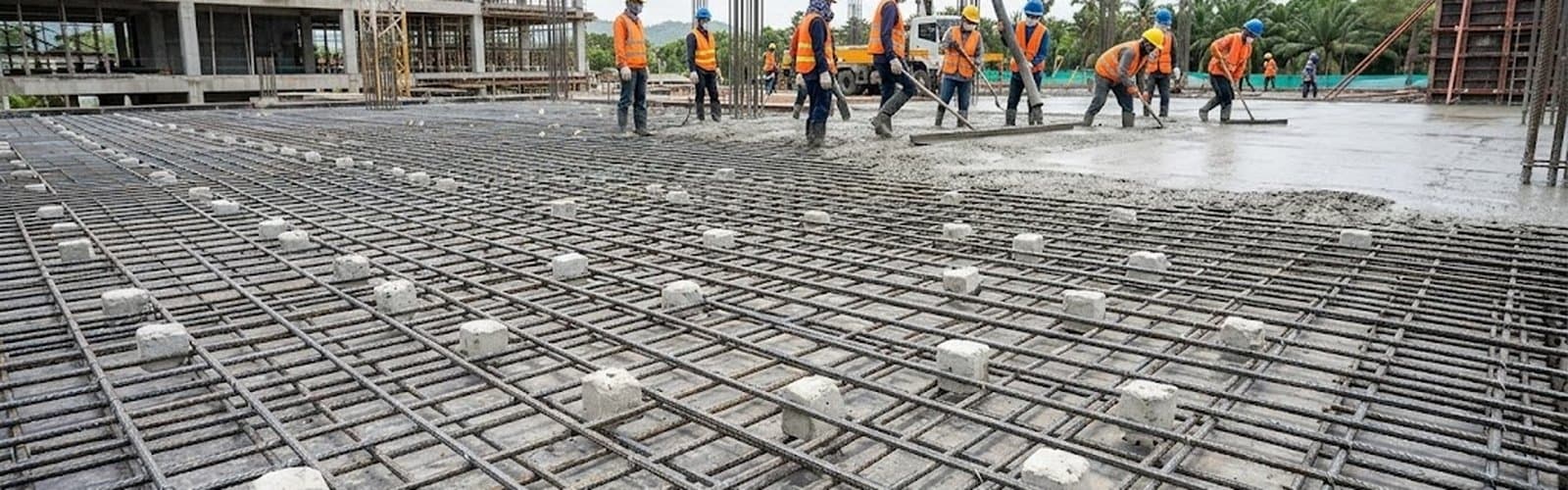
Protects rebar in reinforced concrete from chloride-induced corrosion, carbonation, and saltwater ingress. Suitable for both new construction and repair of existing structures.

Working principle

Zinc anode encased in special alkaline mortar (pH ≥ 14 with lithium hydroxide) prevents zinc passivation. Galvanic current flows to the rebar, maintaining the passive film and preventing chloride-induced corrosion.

Specifications

Polarization Decay
≥ 100 mV
Protection Radius
≥ 60 cm
Service Life
≥ 10 ปี / years
Mortar pH
≥ 14
Installation
ผูกกับเหล็กเสริมด้วยลวดหรือเหล็กรัด / Tie-wired or strapped to rebar

Real-world applications

  • Reinforced concrete structures in coastal/marine environments
  • Piers, jetties, submerged concrete piles
  • Bridge decks exposed to chloride deicing
  • Dams, pumping stations, structures with saltwater ingress
  • Patch repair of corroding existing structures

Benefits & outcomes

  • Contains no chlorides or bromides that damage steel
  • Easy installation — tie-wired to rebar before concrete pour
  • No external power needed (vs. impressed current) — zero maintenance
  • Extends structure life ≥ 10 years, reducing long-term repair cost

Industry reference standards

ASTM B418 Type IIมอก. 3029-2563 (TIS 3029-2563)ISO 12696
02

Aluminium Sacrificial Anode

Marine CP — Seawater & Brackish Water

Purpose & best fit

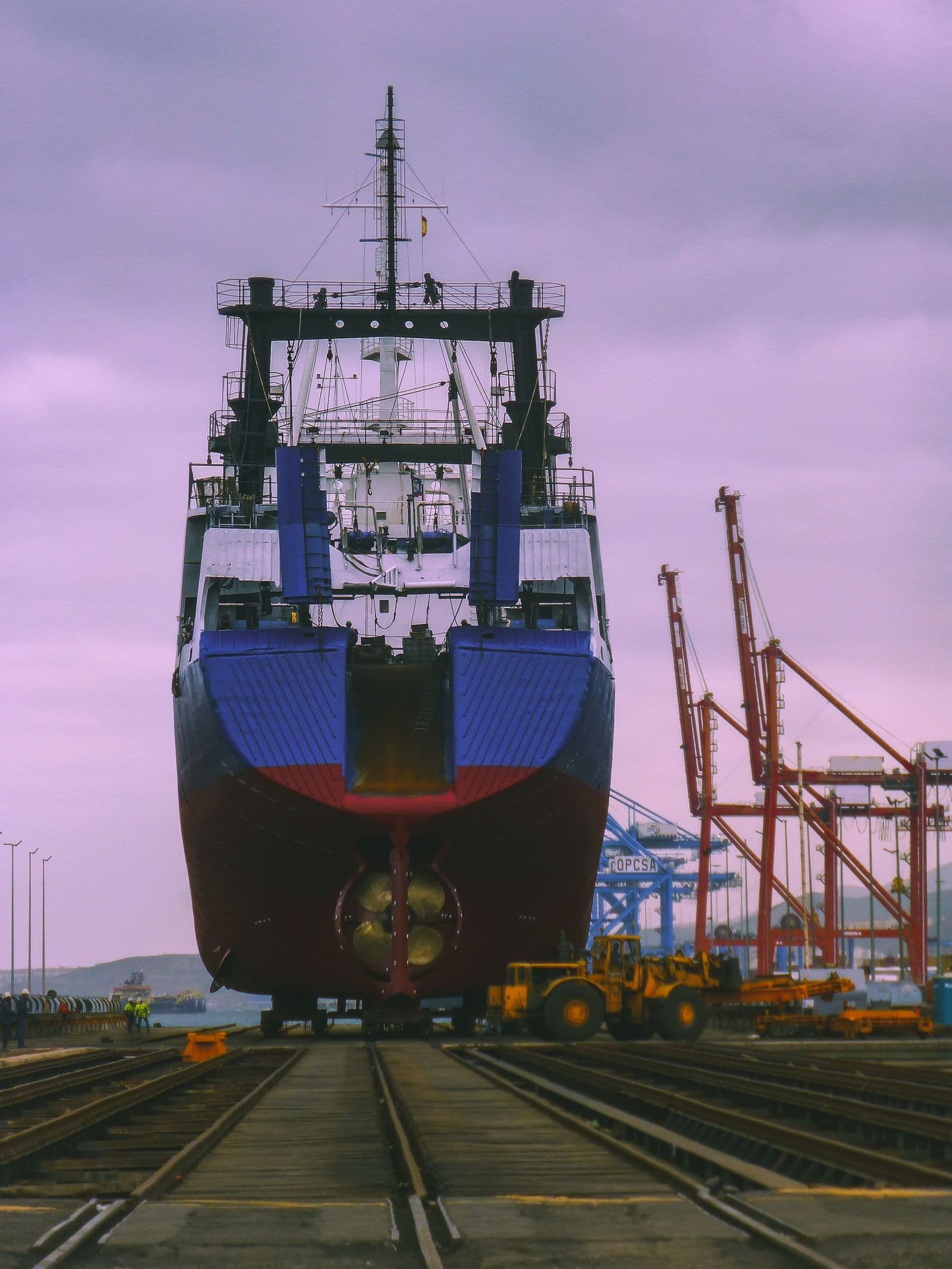
Protects submerged or splash-zone steel structures in seawater/brackish water — ship hulls, piers, offshore pipelines. Chosen over zinc when high current capacity per unit weight is needed.

Working principle

Based on Galvanic Series — aluminium has lower electrochemical potential than steel and corrodes preferentially, releasing electrons through the electrolyte (seawater) to suppress anodic reaction on the steel surface.

Specifications

Base Metal
High-purity aluminium alloy
Environment
Seawater + brackish water
Current Capacity
สูงกว่าสังกะสีต่อหน่วยน้ำหนัก / Higher than zinc per unit weight
Forms
Slab, ribbon, bracelet — ตามแบบโครงการ

Real-world applications

  • Ship hulls
  • Steel piers & pilings
  • Offshore structures, oil platforms
  • Ballast tanks

Benefits & outcomes

  • Highest current capacity among sacrificial anodes
  • Lighter weight per unit of protection vs. zinc
  • More cost-effective than Impressed Current systems for medium scale
  • Works in both seawater and brackish water — single formulation

Industry reference standards

DNV-GL Section 7 (Corrosion Protection)ISO 9001มอก. (Thai industrial standards)
03

Zinc Sacrificial Anode

Marine CP — High-strength steel + overprotection-sensitive systems

Purpose & best fit

Protects ship hulls, sea chests, heat exchangers, and seawater-immersed steel where low driving voltage is needed to prevent over-protection (coating disbondment, hydrogen embrittlement).

Working principle

High-purity zinc (≥ 99.995%) corrodes preferentially via galvanic action. Lower driving voltage than aluminium/magnesium — safer for high-strength steel that can suffer hydrogen embrittlement under over-protection.

Specifications

Purity
≥ 99.995% Zn
Driving Voltage
ต่ำสุดในกลุ่ม sacrificial / Lowest of the three
Environment
Seawater (low resistivity)

Real-world applications

  • Cargo ship hulls
  • Sea chest, mooring chains
  • Seawater-cooled condensers/heat exchangers
  • Marine steel & aluminium equipment

Benefits & outcomes

  • Low driving voltage reduces over-protection risk
  • Prevents coating disbondment from hydrogen evolution
  • Minimises hydrogen embrittlement in high-strength steel
  • Compliant with MIL-A-18001K and DNV-GL

Industry reference standards

MIL-A-18001K (U.S. Military)DNV-GL (GL-Zn1)ISO 9001
04

Magnesium Sacrificial Anode

CP for high-resistivity environments

Purpose & best fit

Protects structures in freshwater and high-resistivity soil — where aluminium/zinc cannot drive sufficient current. Used for buried pipelines, underground tanks, and freshwater heaters.

Working principle

Magnesium has the lowest electrochemical potential (~−1.55 V) — the highest driving voltage in the sacrificial family. Can push current through high-resistivity electrolytes (freshwater, soil) where Al/Zn cannot.

Specifications

Driving Voltage
สูงสุดในกลุ่ม / Highest of the three
Environment
น้ำจืด, ดิน, high-resistivity electrolyte
Forms
Bagged anodes (สำหรับฝังดิน), Cast slab

Real-world applications

  • Buried pipelines (oil, gas, water)
  • Underground storage tanks (USTs)
  • Hot-water heater steel tanks
  • Freshwater structures (dams, lakes)

Benefits & outcomes

  • Highest driving voltage — works in high-resistivity media
  • Suited to Thai soils which often have elevated resistivity
  • No external power source needed
  • Bagged form simplifies underground installation

Industry reference standards

ASTM B843NACE SP0169 (CP of underground systems)
05

Single-Component Moisture-Curing Polyurethane Primer

Industrial Coating — Rust Prevention

Purpose & best fit

One-part moisture-curing polyurethane primer that cures via atmospheric humidity. Functions as primer, intermediate coat, topcoat, or single-layer finish. Contains aluminium flake for barrier protection.

Working principle

Isocyanate groups in the resin react with airborne moisture (H₂O) to form urea crosslinks, curing into a hard film. Aluminium flakes align in lamellar pattern, blocking water and oxygen ingress.

Specifications

System
1K Moisture-Curing Polyurethane (MCP)
Recommended DFT
150 ไมครอน / 150 µm
Salt Spray (ASTM B117)
ผ่าน 2,000 ชม. ที่ 150 µm / Pass 2,000 hr at 150 µm
Application
แปรง / ลูกกลิ้ง / airless spray
Substrates
เหล็ก, เหล็กชุบกัลวาไนซ์, เหล็กสนิม, อลูมิเนียม, คอนกรีต, ไม้, พลาสติก

Real-world applications

  • Tanks, vessels, factory steel piping
  • Steel structures with existing rust (no need for SA 2½ blast)
  • Plant maintenance touch-ups without shutting down production
  • Tight-access steelwork — brush-applicable

Benefits & outcomes

  • Apply over existing rust — no full sand-blast to SA 2½ required
  • Single-component eliminates mixing error and pot-life concerns
  • Faster work cycle and curing time vs. 2K epoxy systems
  • Chemical- and UV-resistant

Industry reference standards

ASTM B117 (Salt Spray)
06

Solvent-Free Two-Component Epoxy (Underwater-Applicable)

Industrial Coating — Underwater Repair

Purpose & best fit

Two-component solvent-free epoxy applicable directly to wet, damp, or fully submerged surfaces. For structures that cannot be dry-docked or fully dried before repair.

Working principle

Solvent-free epoxy chemistry — does not need to displace moisture; it incorporates surface water into the polymer matrix. Provides simultaneous resistance to acids, alkalis, amines, salts, and solvents.

Specifications

System
2-component solvent-free epoxy
Recommended DFT
400 ไมครอน / 400 µm
Salt Spray (ASTM B117)
ผ่าน 2,000 ชม. ที่ 400 µm / Pass 2,000 hr at 400 µm
Application Temp
10 – 40 °C
VOC
Solvent-free, low odor
Substrates
เหล็ก, เหล็กที่มีสนิม, คอนกรีต — เปียก/ชื้น/ใต้น้ำได้

Real-world applications

  • Risers, pipes, splash-zone structures (oil & gas)
  • Underwater pier repair, submerged piling
  • Treatment ponds, acid/alkali process equipment
  • On-stream repair without shutting down machinery

Benefits & outcomes

  • Applies on wet, damp, or fully submerged surfaces — no dry-docking
  • Solvent-free, low VOC — safe in confined spaces
  • Broad chemical resistance (acid, alkali, amine, salt, solvent)
  • Brush/roller-applied — no separate primer required

Industry reference standards

ASTM B117 (Salt Spray)
Products in this category

All products available — pricing quoted by volume and delivery schedule

Aluminium Sacrificial Anode

SKU TMP-AL-ANODE
  • · Type: Al-Zn-In sacrificial anode
  • · standards: TIS 3359-2563,DNV-GL
  • · application: ship hulls/piers/offshore (seawater + brackish)
  • · common_sizes: 5kg,10kg,14kg,20kg,24kg,40kg

BIO TOUGH+ Antimicrobial Concrete Sealer (White)

SKU TMP-BIOTOUGH-WT
  • · Type: water-based acrylic-polymer silicate
  • · Color: white
  • · silicate: min 10%
  • · stain_resistance: anti-efflorescence + chemical/dirt
  • · hardness_increase: 3-5x
  • · antimicrobial_life: 3-5 years

BIO TOUGH+ Antimicrobial Concrete Sealer (Milk White)

SKU TMP-BIOTOUGH-MW
  • · Type: water-based acrylic-polymer silicate
  • · Color: milk white
  • · silicate: min 10%
  • · hardness_increase: 3-5x
  • · antimicrobial_life: 3-5 years

Concrete Sacrificial Anode CR100

SKU TMP-CR100
  • · core: zinc in alkaline mortar
  • · Type: sacrificial concrete anode
  • · Capacity: larger than CR60
  • · standards: TIS 3029-2563,ASTM B418 Type II,ISO 12696
  • · service_life_min: 10 years

Concrete Sacrificial Anode CR60

SKU TMP-CR60
  • · core: zinc in alkaline mortar
  • · Type: sacrificial concrete anode
  • · standards: TIS 3029-2563,ASTM B418 Type II,ISO 12696
  • · service_life_min: 10 years
  • · protection_radius_min: 60cm

Magnesium Sacrificial Anode (fresh water)

SKU TMP-MG-ANODE
  • · Type: magnesium anode
  • · application: fresh water — barges/pontoons/river bridges/underground pipelines/water heater

High-Purity Zinc Sacrificial Anode

SKU TMP-ZN-ANODE
  • · Type: zinc anode
  • · purity: Zn 99.995% min
  • · standards: MIL-A-18001K,GL-Zn1,DNV-GL
  • · common_sizes: 5kg,10kg,12kg,24kg

SGU-201 Two-Part Solvent-Free Epoxy (Wet/Underwater)

SKU TMP-SGU-201
  • · DFT: 400 microns
  • · VOC: zero
  • · Type: 2-comp solvent-free epoxy
  • · salt_spray: 2000 hr ASTM B117
  • · substrates: dry/damp/submerged steel/concrete,no primer required
  • · application_temp: 10-40°C

SGL-301 Glow-in-the-Dark PU (Blue-Green)

SKU TMP-SGL-301-BG
  • · Type: 2-comp water-based PU luminous
  • · Color: blue-green
  • · coverage: 5 sqm/kg per coat
  • · glow_duration: 8-12 hr
  • · luminescence_life: min 1 year

SGL-301 Glow-in-the-Dark PU (Yellow-Green)

SKU TMP-SGL-301-YG
  • · Type: 2-comp water-based PU luminous
  • · Color: yellow-green
  • · coverage: 5 sqm/kg per coat
  • · glow_duration: 8-12 hr
  • · luminescence_life: min 1 year

SGP-001 One-Part Moisture-Curing Polyurethane

SKU TMP-SGP-001
  • · DFT: 150 microns
  • · Type: 1-comp moisture-curing PU
  • · salt_spray: 2000 hr ASTM B117
  • · substrates: steel,galvanized,aluminium,rusted steel,concrete,wood,plastic
  • · application: brush,roller,airless spray
  • · common_pack: 1L,4L,20L

Can't find what you need? We source to spec.

Send us your spec and we'll quote it at no charge.

Send Spec
Next · 03
Specialized Paint & Coatings

4 innovation coatings — Thai-made, internationally certified

Learn more
Common Questions

Before you send an RFQ

Q1.How does Cathodic Protection work?+
Uses anode (zinc/aluminum/magnesium) as sacrificial — corrodes before the protected steel. Bonding cable + structure-to-electrolyte potential monitoring per NACE SP0169.
Q2.Zinc vs Aluminum vs Magnesium anode — which?+
Zinc: sea water, economical. Aluminum: brackish water. Magnesium: soil + freshwater, highest driving voltage. Choose by environment.
Q3.Anode replacement interval?+
Depends on design weight + corrosion rate — typically 5-15 years. Inspect residual annually, replace at <30% residual (NACE recommendation).
Q4.Is SP10 surface prep really required before coating?+
Yes for marine + structural steel — SSPC-SP 10 (near-white blast) gives best adhesion. General work SP 6 (commercial) suffices. Rushed jobs SP 3 (power tool).
Q5.Bio Tough+ vs standard epoxy — difference?+
Bio Tough+ has integral cathodic protection coating — extends steel life 2-3x. Standard epoxy is barrier-only. Worth it for hard-to-access structures (offshore towers).

จัดส่งงานป้องกันสนิมและสารเคลือบตามพื้นที่

เลือกจังหวัดของคุณเพื่อดูข้อมูลการจัดส่งและขอใบเสนอราคา

ดูทุกจังหวัด (77+ จังหวัด)

Related case studies & insights

Article·9 min

Why the Cheapest Corrosion Protection Today Is Often the Most Expensive Over 20 Years — Think in Life-Cycle Cost (LCC)

A guide to costing corrosion-protection work as Life-Cycle Cost (LCC/TCO) per ISO 15686-5 + ISO 12944 — why the lowest sticker price is rarely the lowest total cost, the hidden costs (repaint cycles + downtime), and how to compare options on Equivalent Annual Cost for factory, port, and government work in Thailand.

Read
Article·16 min

Food & Beverage and Cold-Chain Factory Fit-Out and Maintenance Field Guide — Select Refrigeration/Refrigerants to ASHRAE 15/EN 378/ISO 5149 · Hot-Washdown PU-Cement Floors · NSF H1/ISO 21469 Food-Grade Lubricants · Food/Pharma Corrosion Coatings · Boiler-Cooling-RO Water · ISO 8573 Food-Contact Air · Safe Hot Work + How to Lock In Material Pricing

Field guide for food & beverage and cold-storage plant owners and engineering/maintenance teams: plan the whole factory with food safety governing every choice — select the refrigeration system/refrigerant by temperature band and refrigerant safety per ASHRAE 15/EN 378/ISO 5149, handle ultra-low/freeze-dry and retrofit of legacy R-13B1, lay PU-cement floors that survive hot-water washdown and food acids in wet zones, choose NSF H1/ISO 21469 food-grade lubricants for points above food, coat walls/tanks to food/pharma grade, control process water (boiler/cooling/RO/CIP) and cooling-tower legionella, control food-contact compressed-air quality to ISO 8573, and control hot work during repair/install per NFPA 51B — plus how to standardize materials to lock pricing and delivery for the whole plant.

Read
Article·15 min

Warehouse & Distribution Center (DC) Fit-Out and Maintenance Field Guide — Select Racking to AS 4084/EN 15512 · Epoxy/PU Floors · Steel Corrosion Protection · Rooftop Solar · Forklift Oils · Cold Storage · Safe Hot Work + How to Lock In Project Material Pricing

Field guide for warehouse and distribution-center (DC) owners and maintenance teams: plan the whole building by function — choose a racking system (Selective/Drive-In/Push-Back/Cantilever) to AS 4084/EN 15512, design for seismic loads (DPT 1311/ASCE 7), guard rack uprights and inspect annually per EN 15635, coat floors (epoxy/PU/PU-cement) to the load, protect steel from corrosion, put solar on the roof only after a structural load assessment, select forklift/MHE hydraulic-gear-grease oils, run cold storage, and control hot work during rack install/expansion per NFPA 51B — plus how to standardize materials to lock project pricing and delivery.

Read
Article·14 min

Marine & Shipyard Corrosion Protection Field Guide — Choose the Whole System: Surface Prep (Sa 2.5) · ISO 12944 C5-M/CX/Im2 Paint Systems · Cathodic Protection (Anode/ICCP) · Safe Hot Work + How to Lock In Project Material Pricing

Field guide for shipyard, jetty, and coastal steel-structure maintenance: plan corrosion protection across the whole asset by zone (atmospheric/splash/immersed/buried) — abrasive blast Sa 2.5 per ISO 8501, select an ISO 12944 paint system for C5-M/CX and immersed Im2, design cathodic protection with sacrificial anodes (zinc/aluminium/magnesium) vs ICCP per DNV-RP-B401/ISO 12696, control hot work in confined spaces per NFPA 51B, and lubricate marine machinery — plus how to standardize materials to lock project pricing and delivery.

Read